Hugo,
You may remember that some years ago
you asked for me to
identify the person
in our family with the
most interesting
occupation. I said, ‘Joseph Valpey, the Pirate of course!”
Click on the book above to read
Joseph’s Journal.
Volpi means Foxes or Fox in Italian
This page will trace the Volpi Family from Hugo Birdsall Craycroft backwards in time to Lucca Italy in the first Century and provide some details on the City of Lucca past and present.
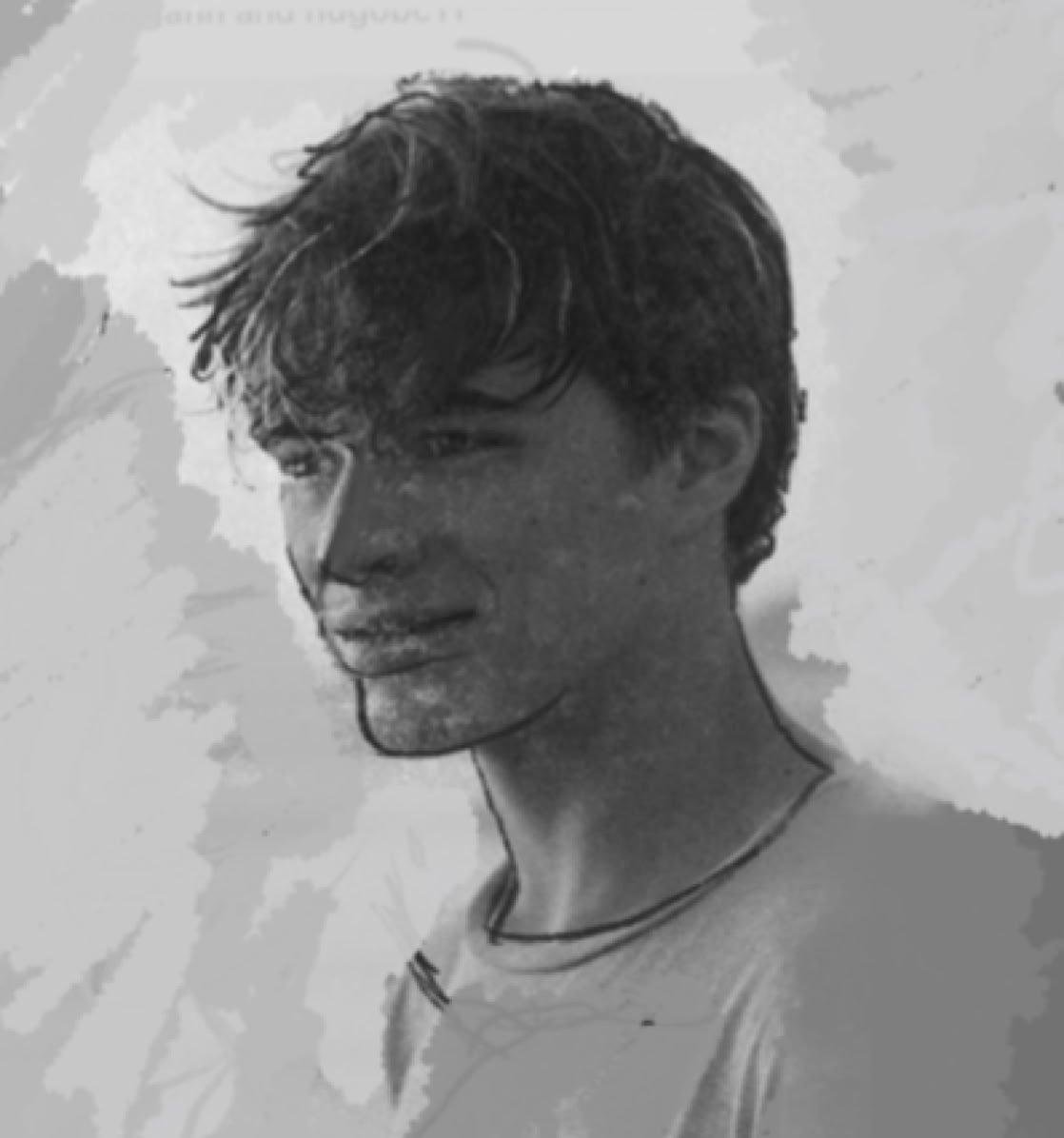
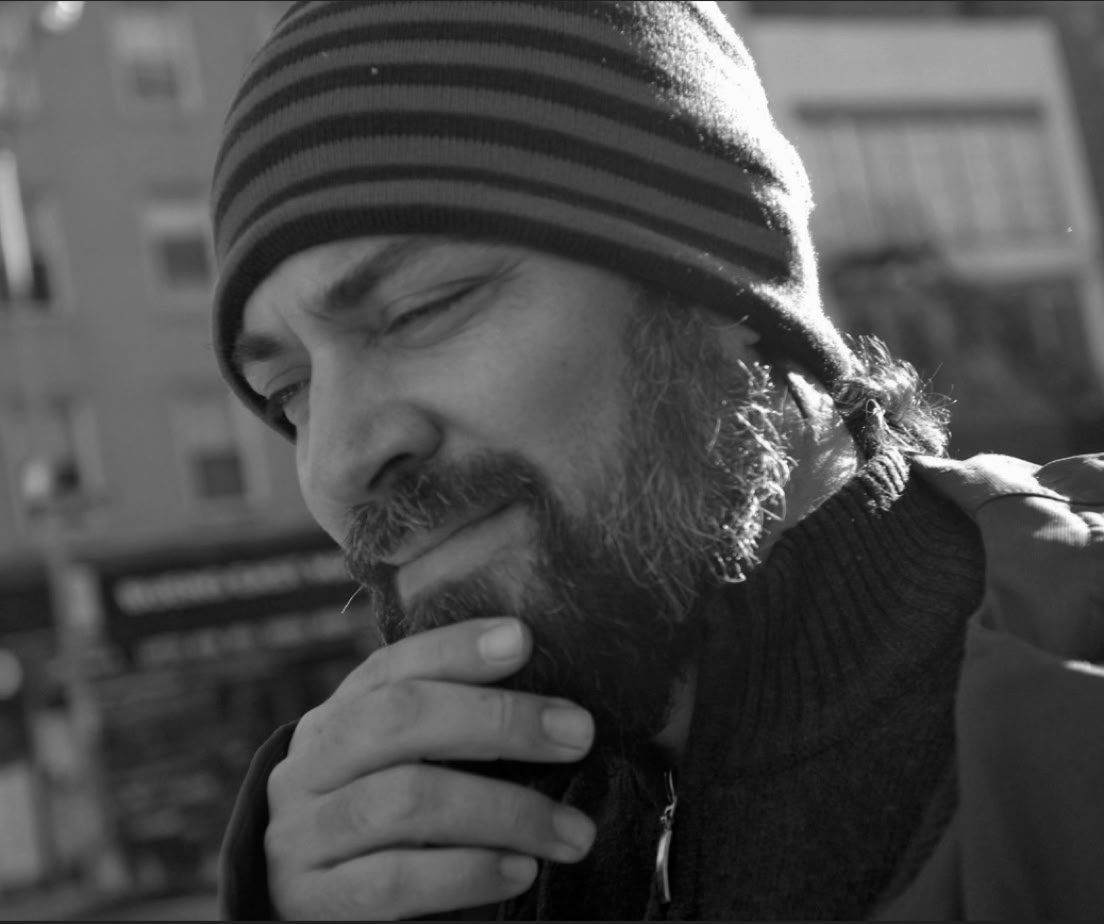
Jacob
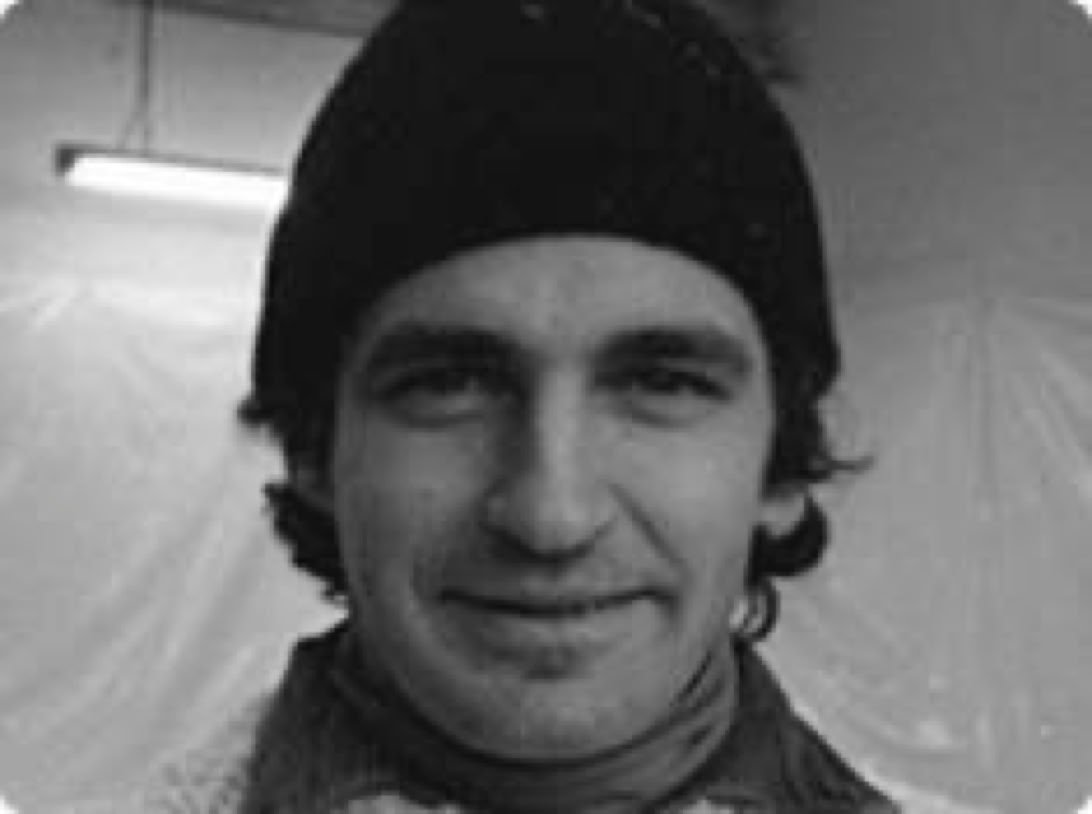
Hugo
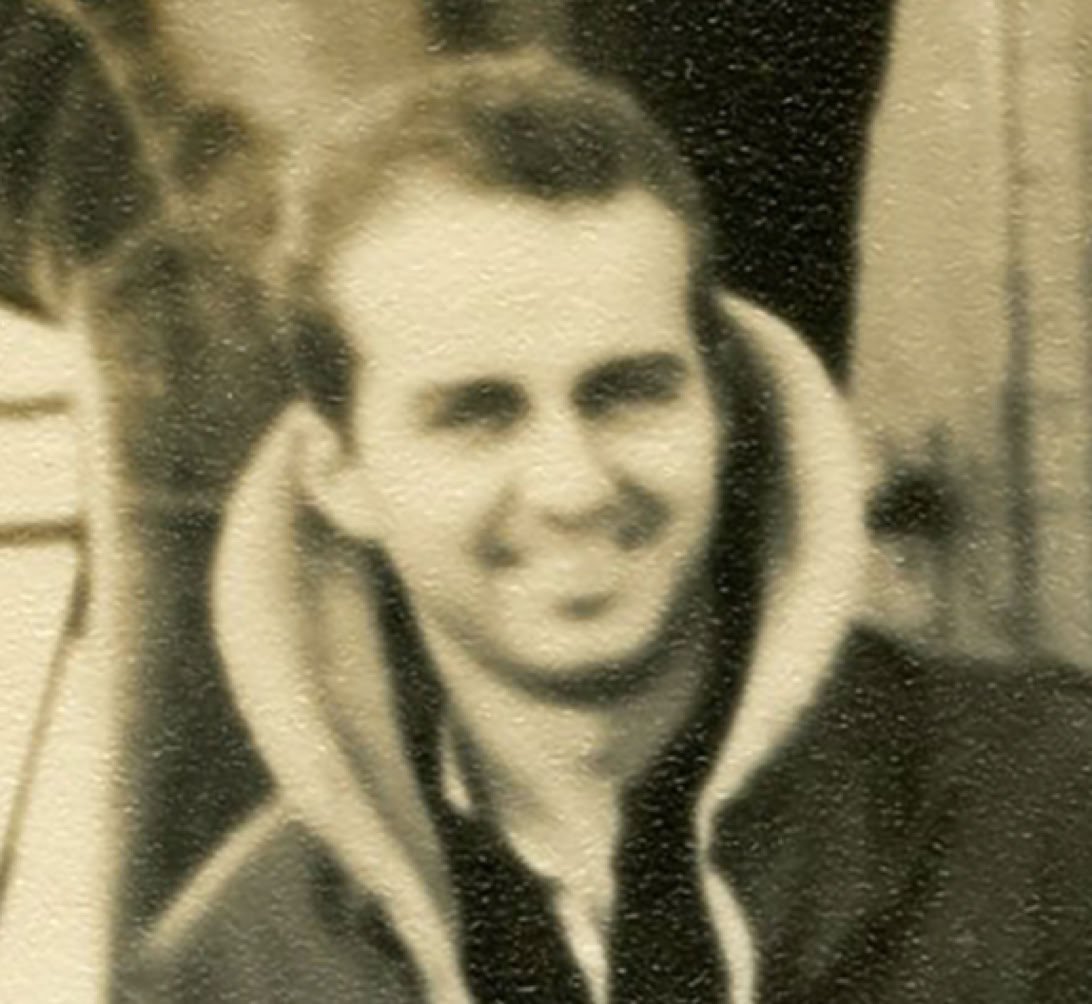
Burr
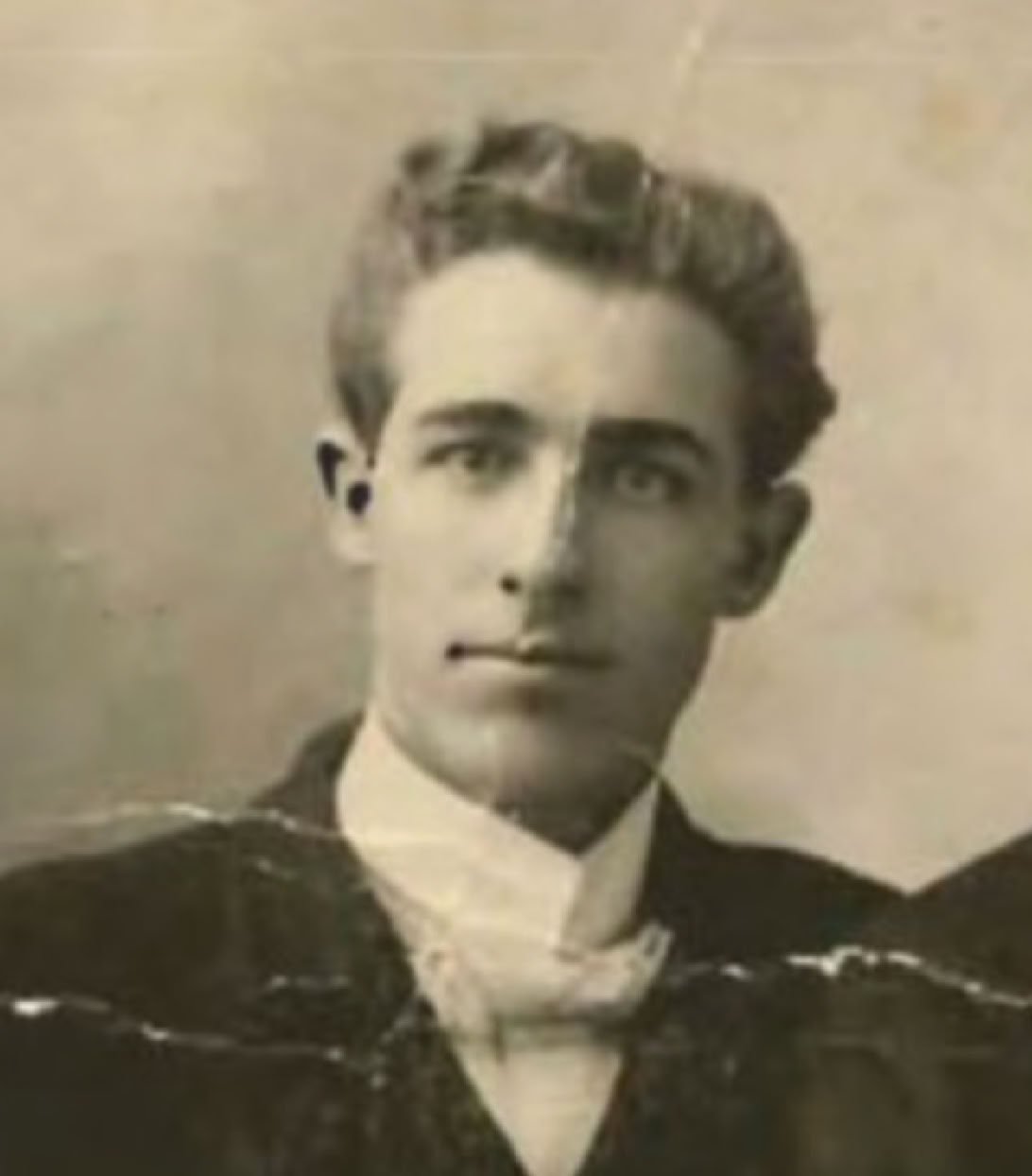
Harry
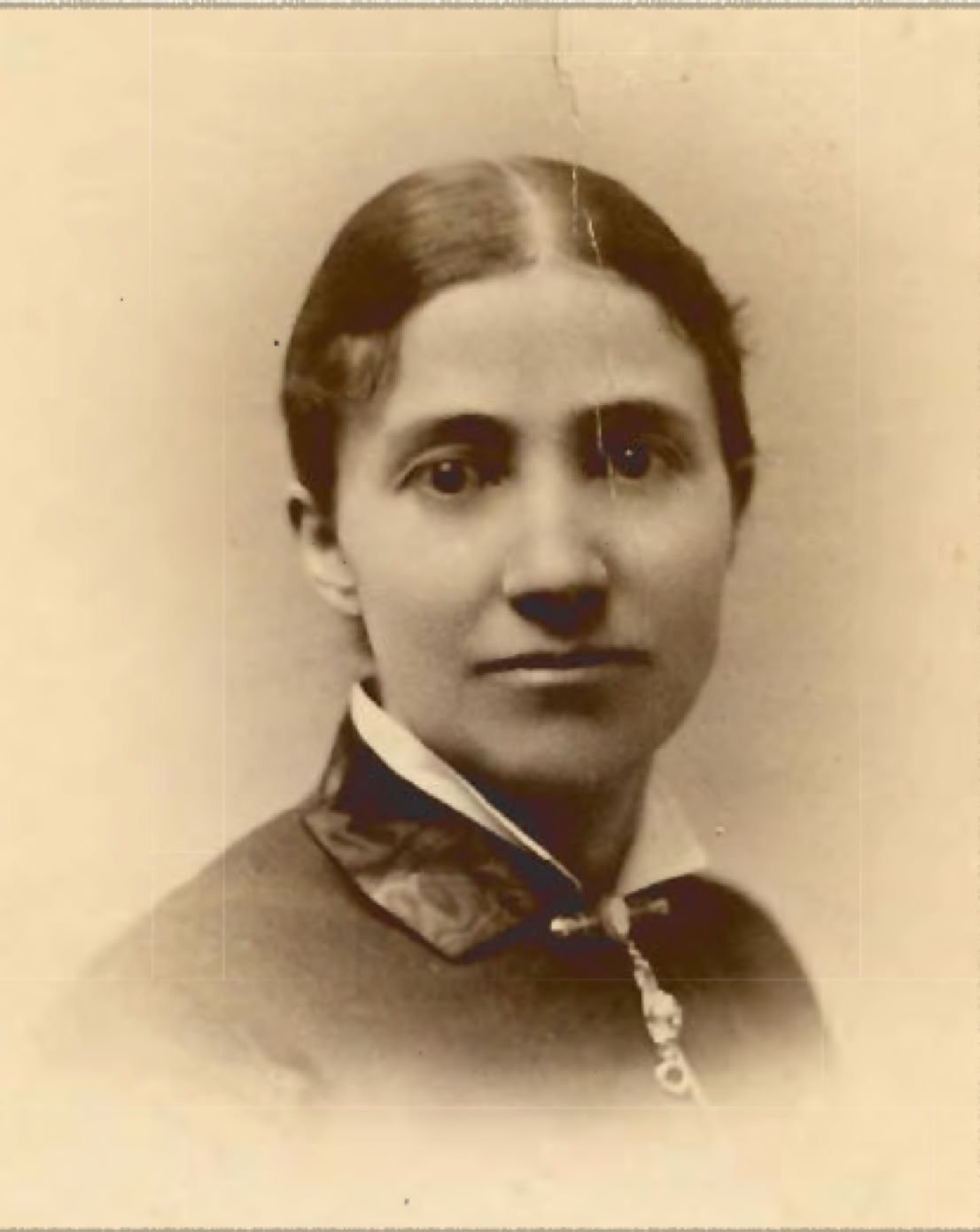
Mary
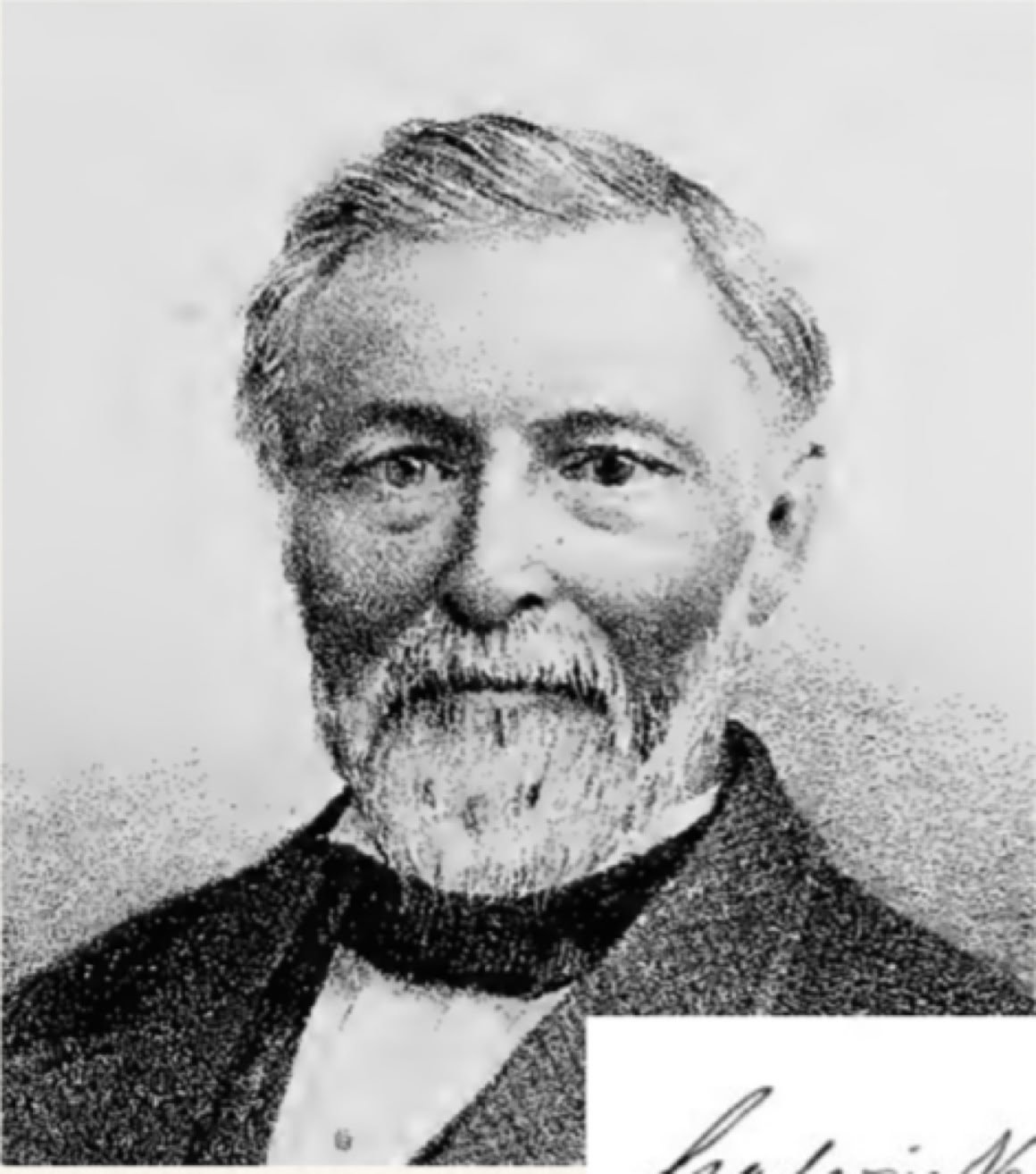
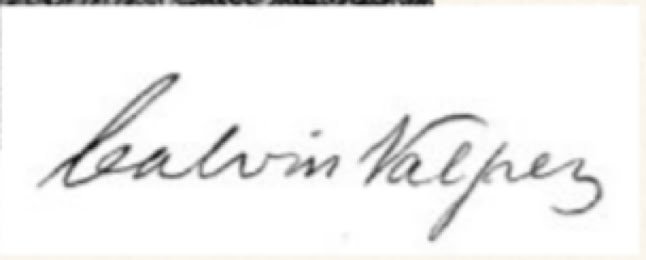
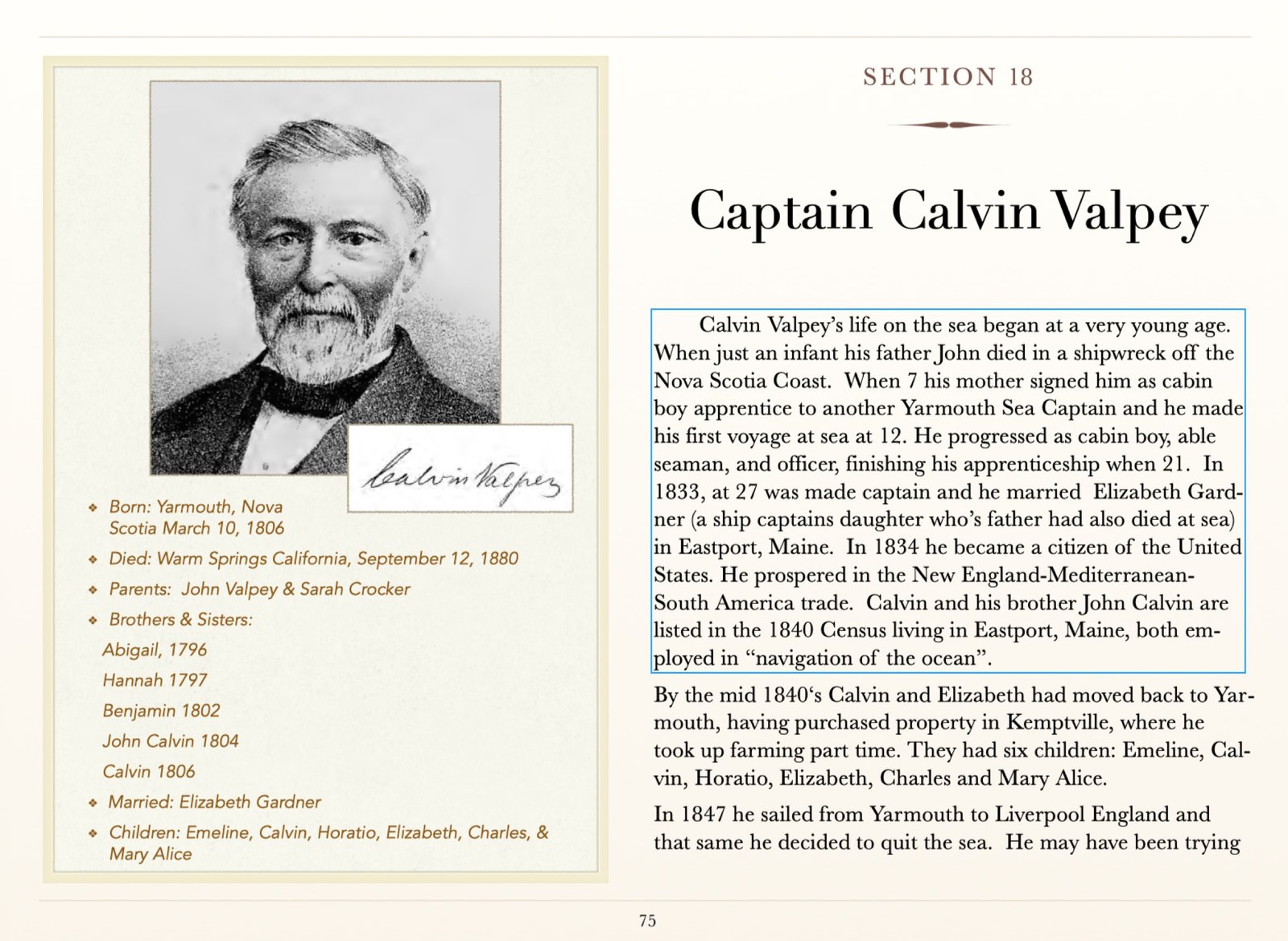
Calvin
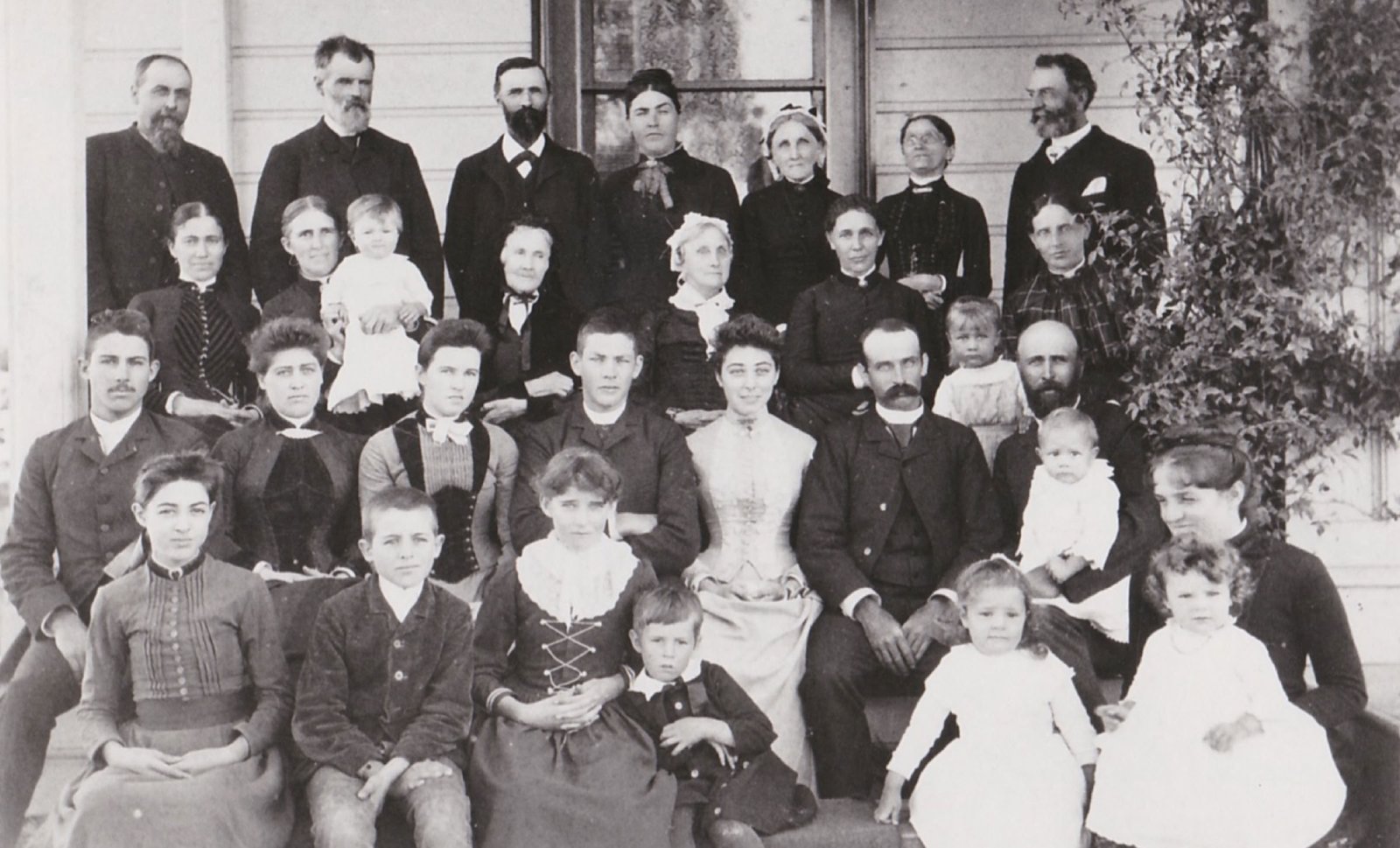
Calvin
Mary
Harry
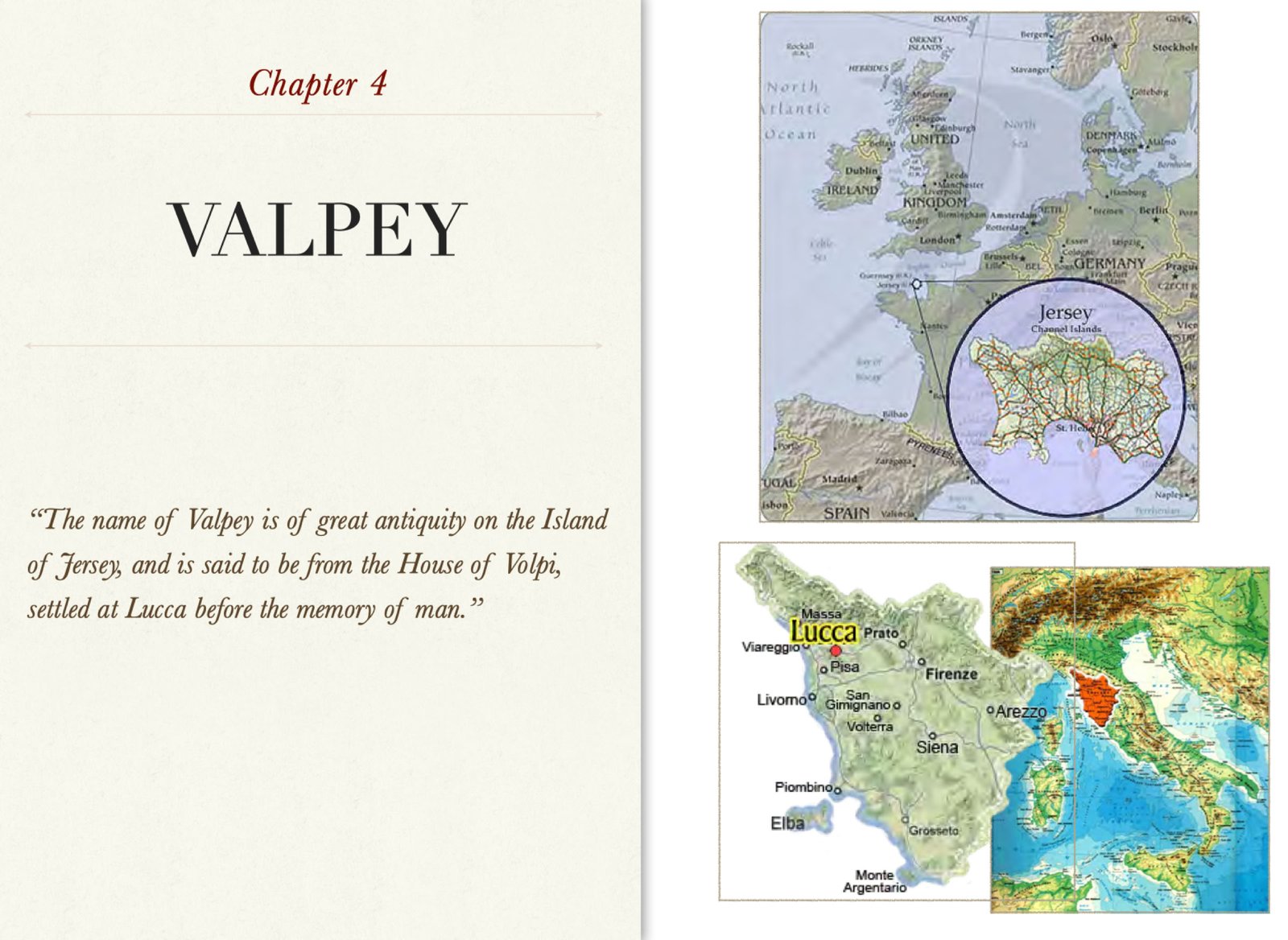
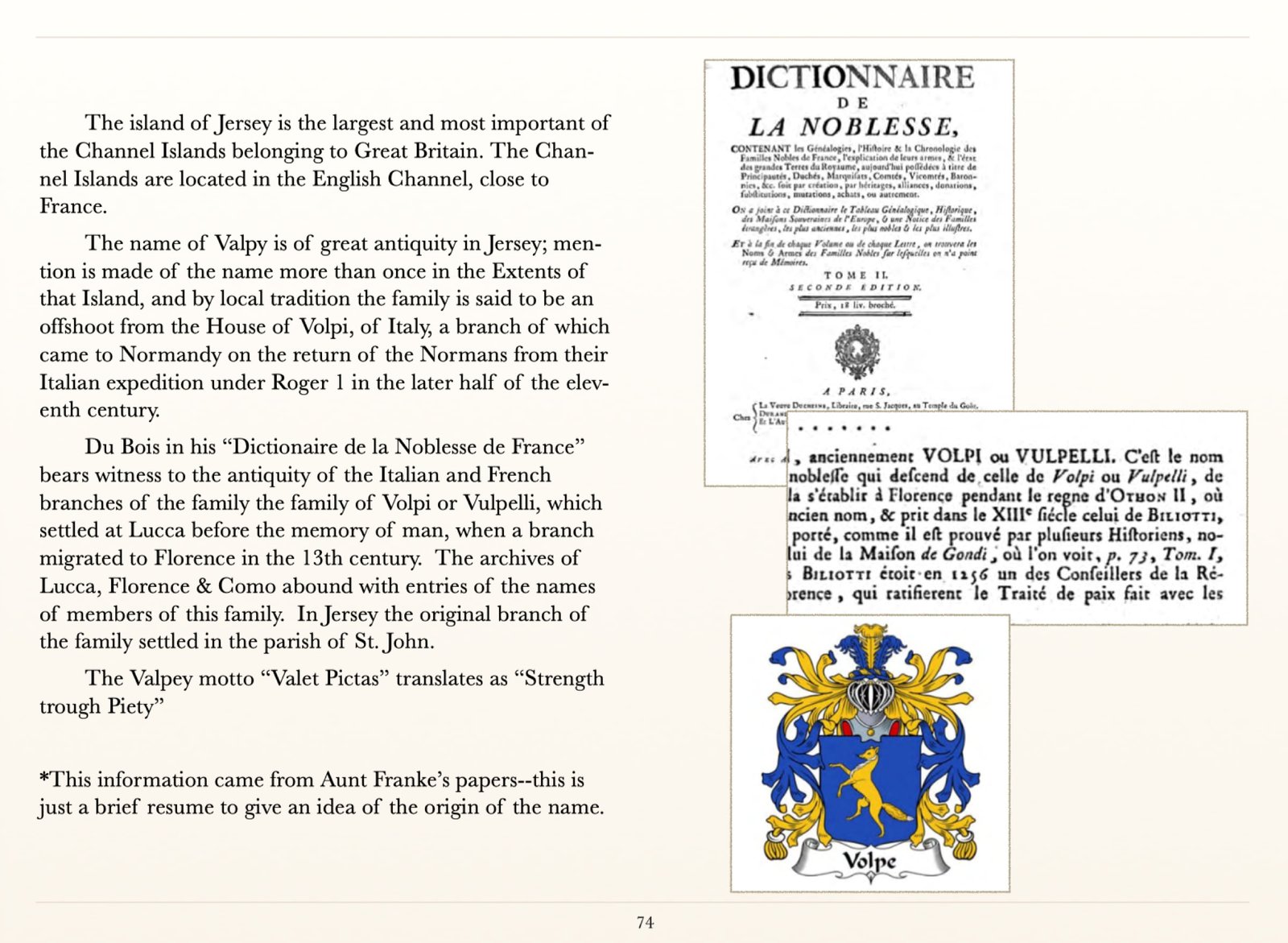


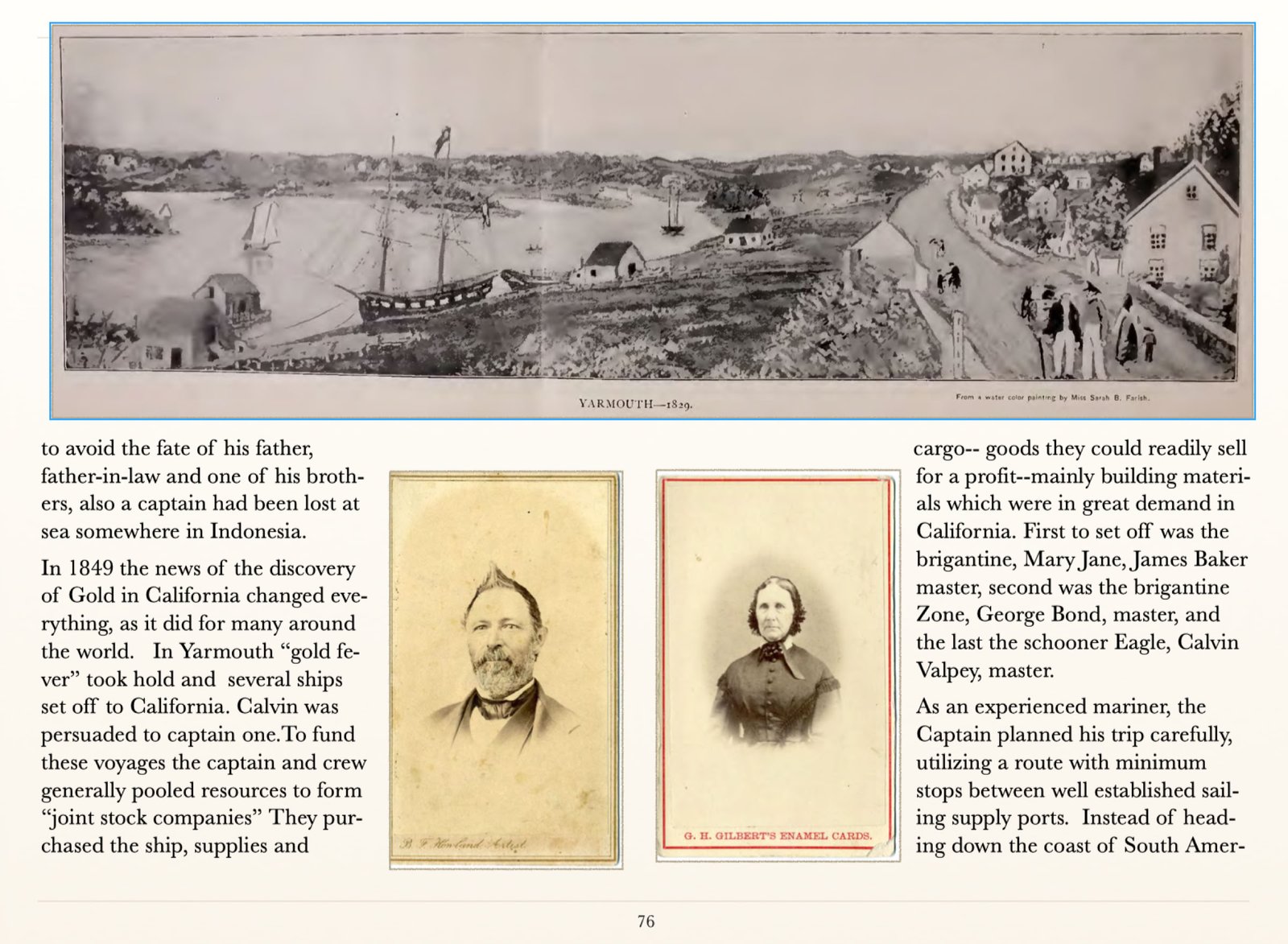

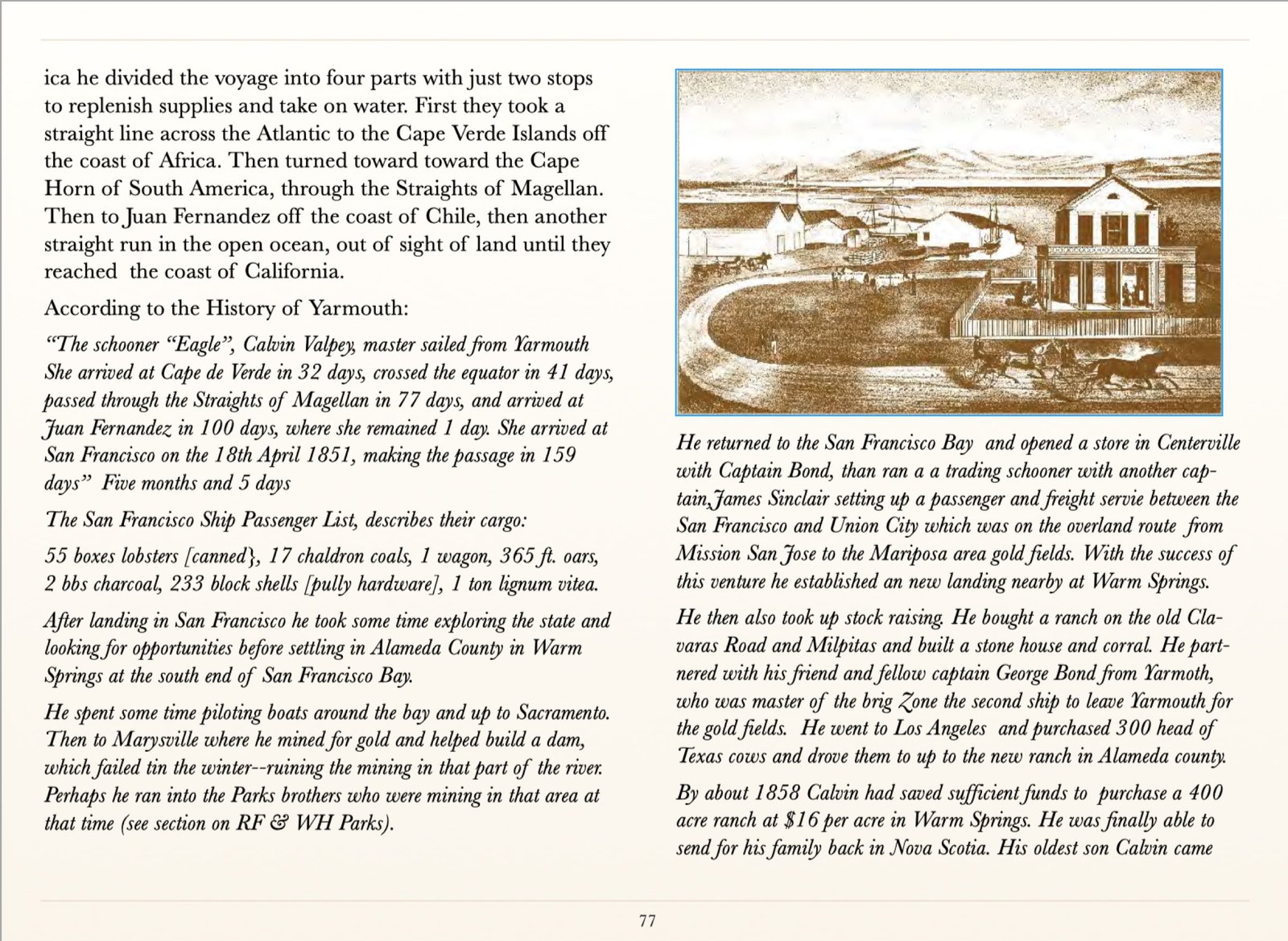
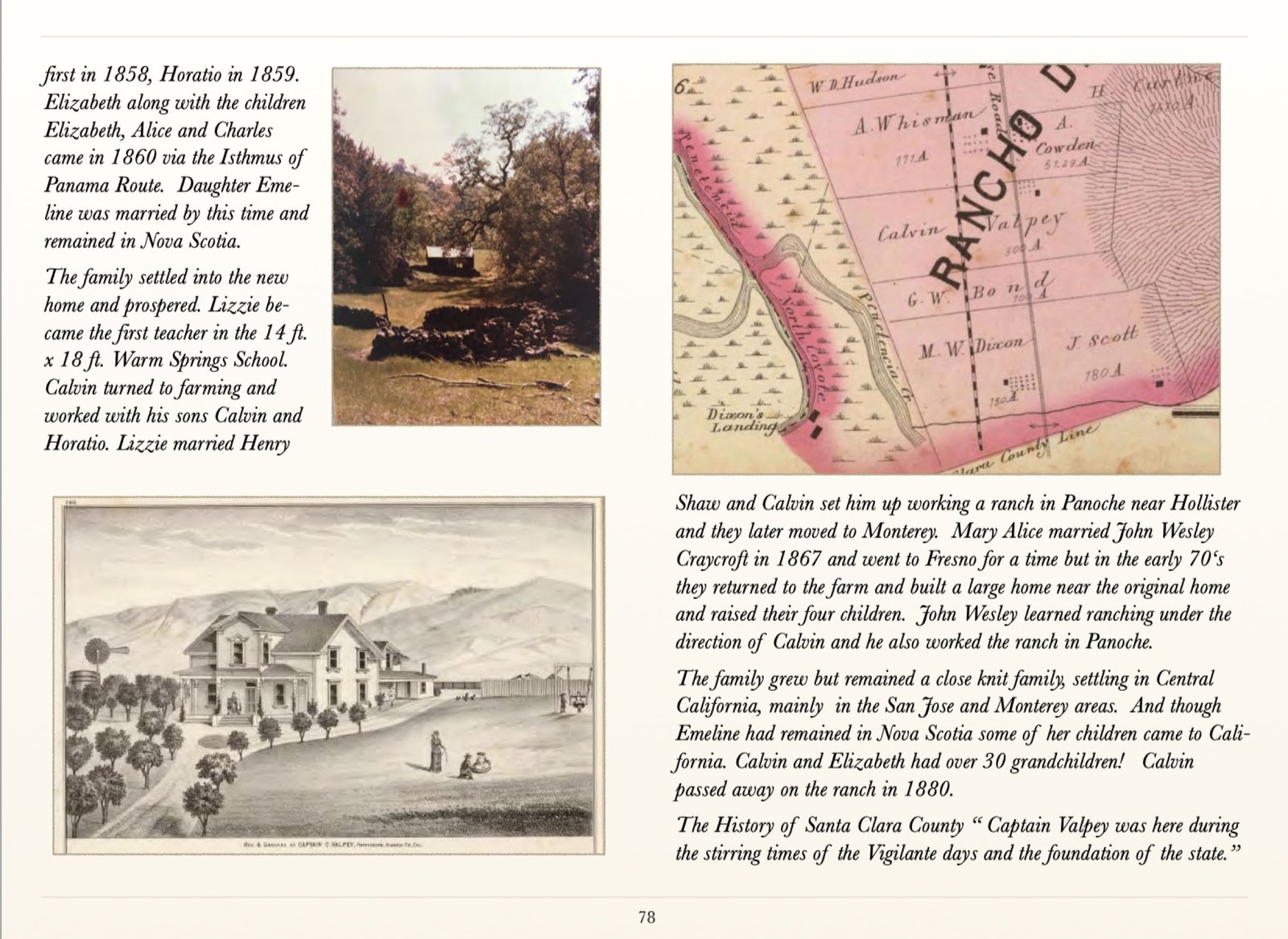

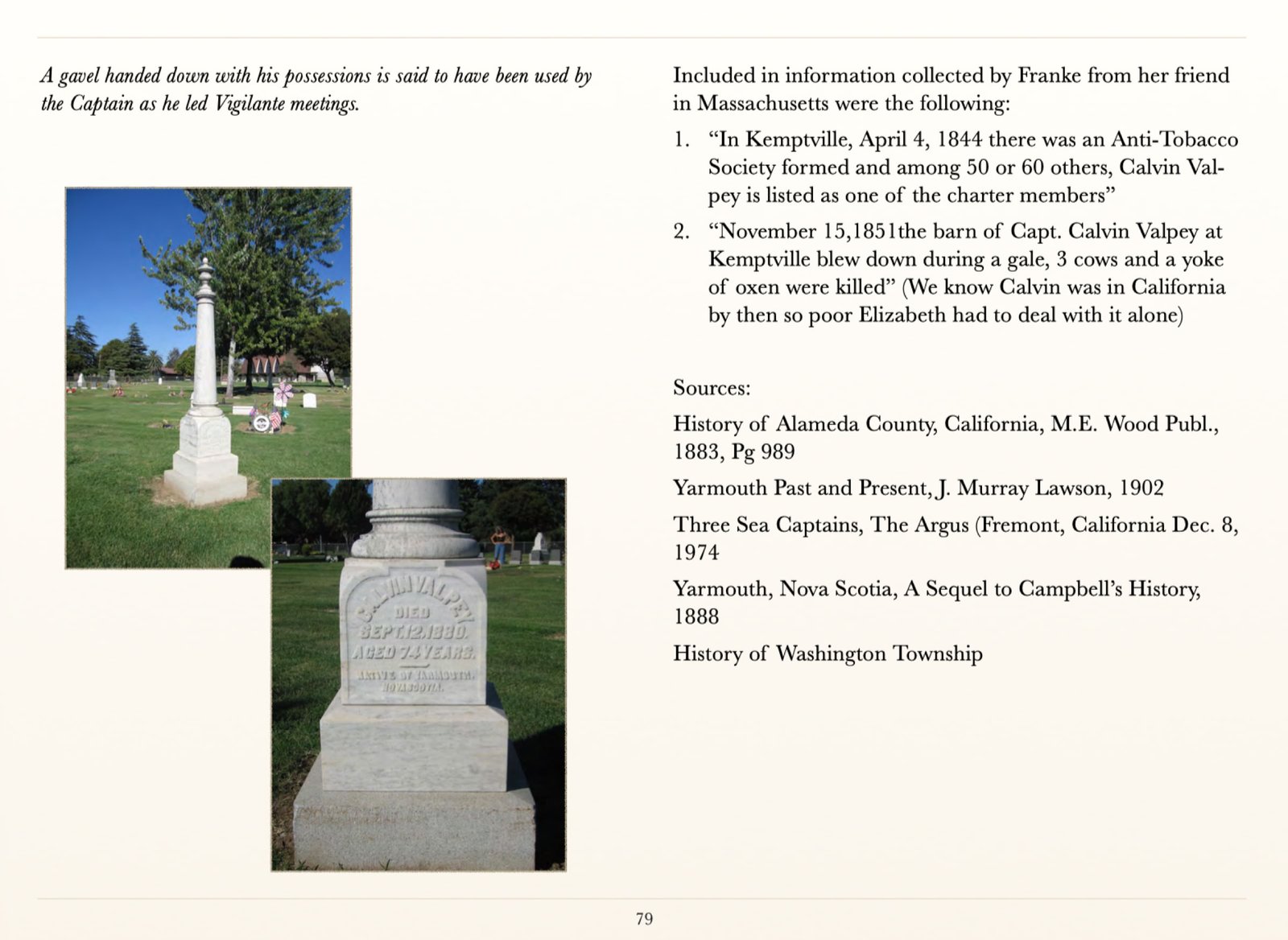


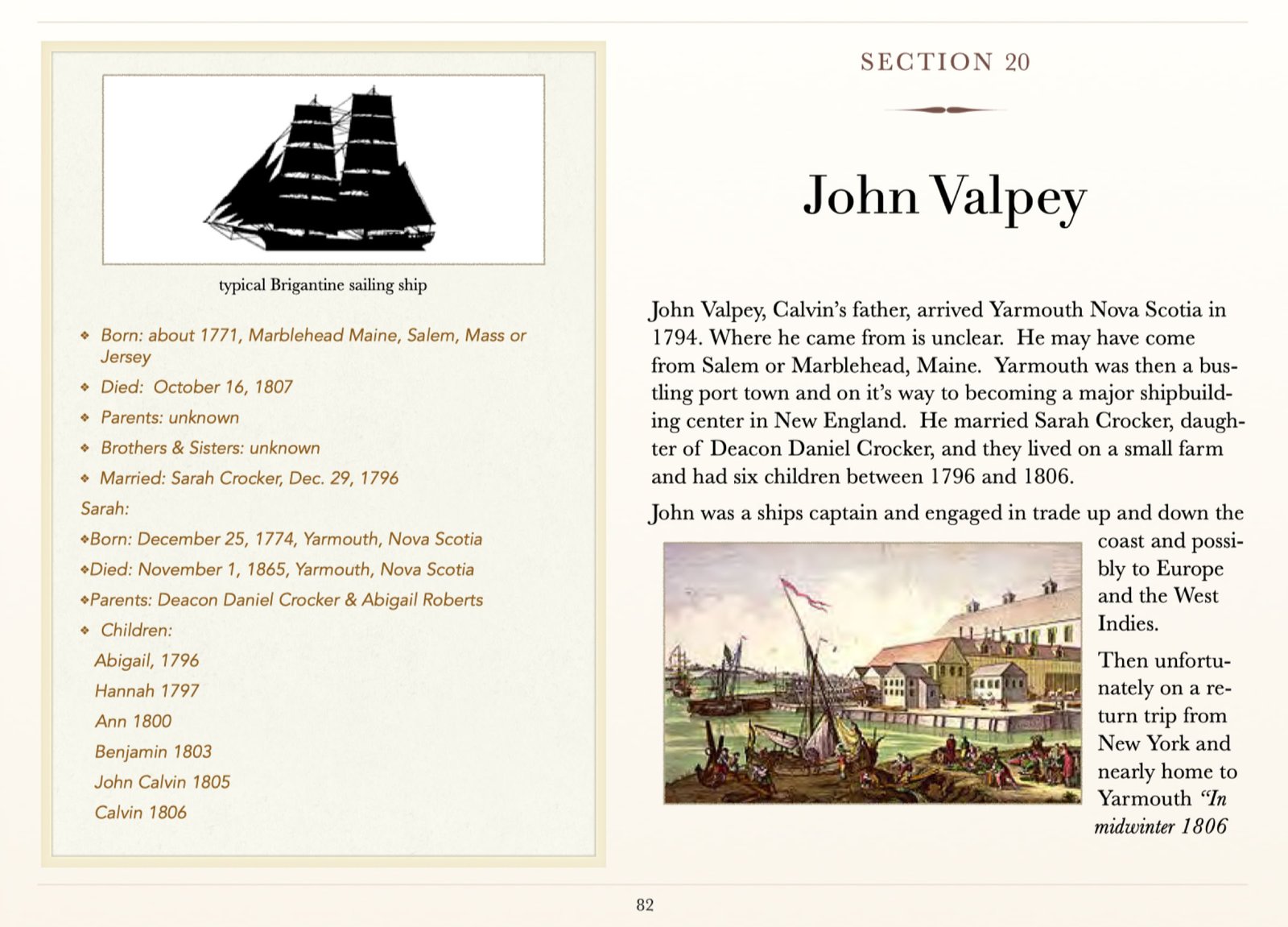

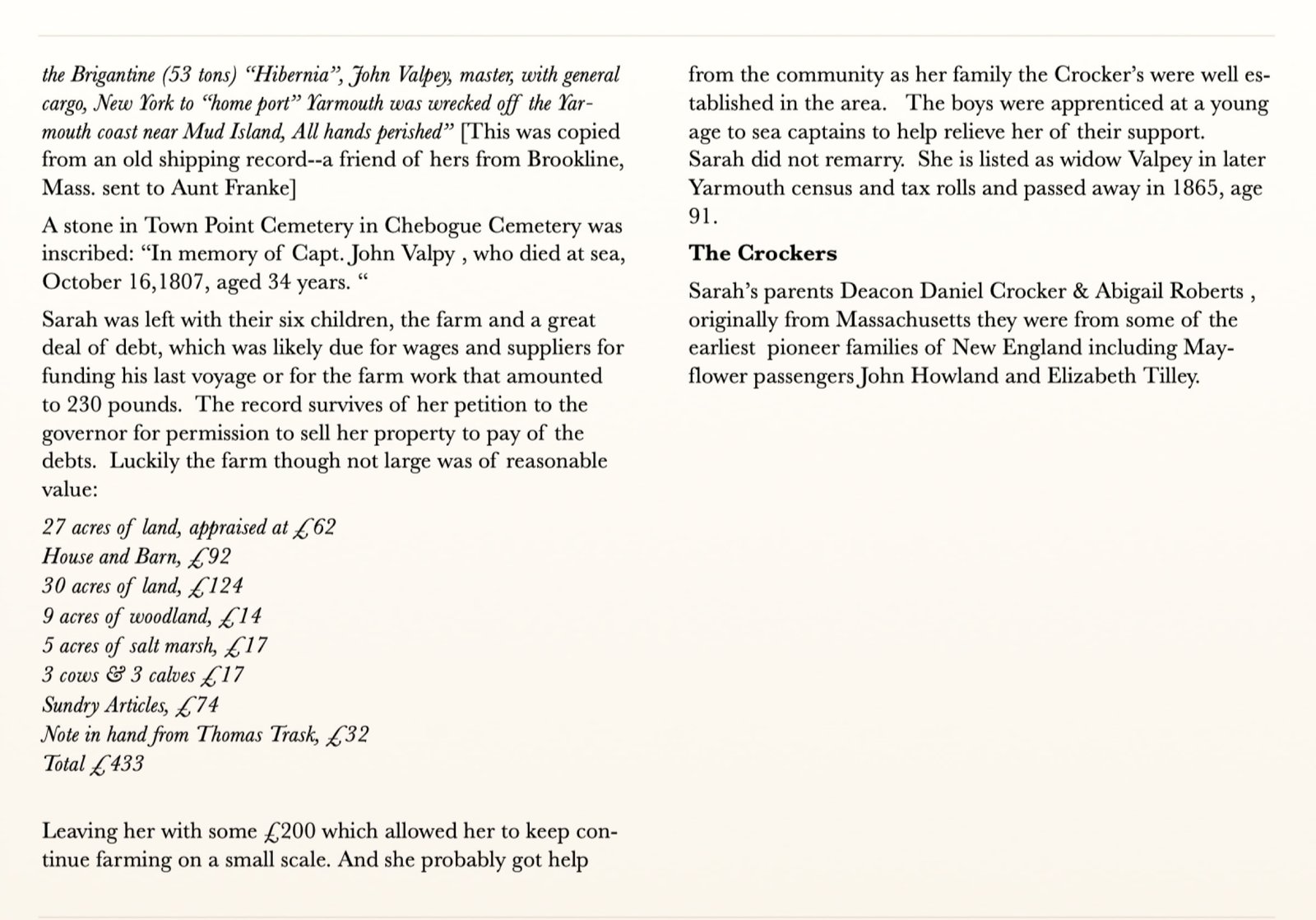
Back to the Island of Jersey and the House of Valpey/Volpi in Lucca

What about the Volpi’s now?
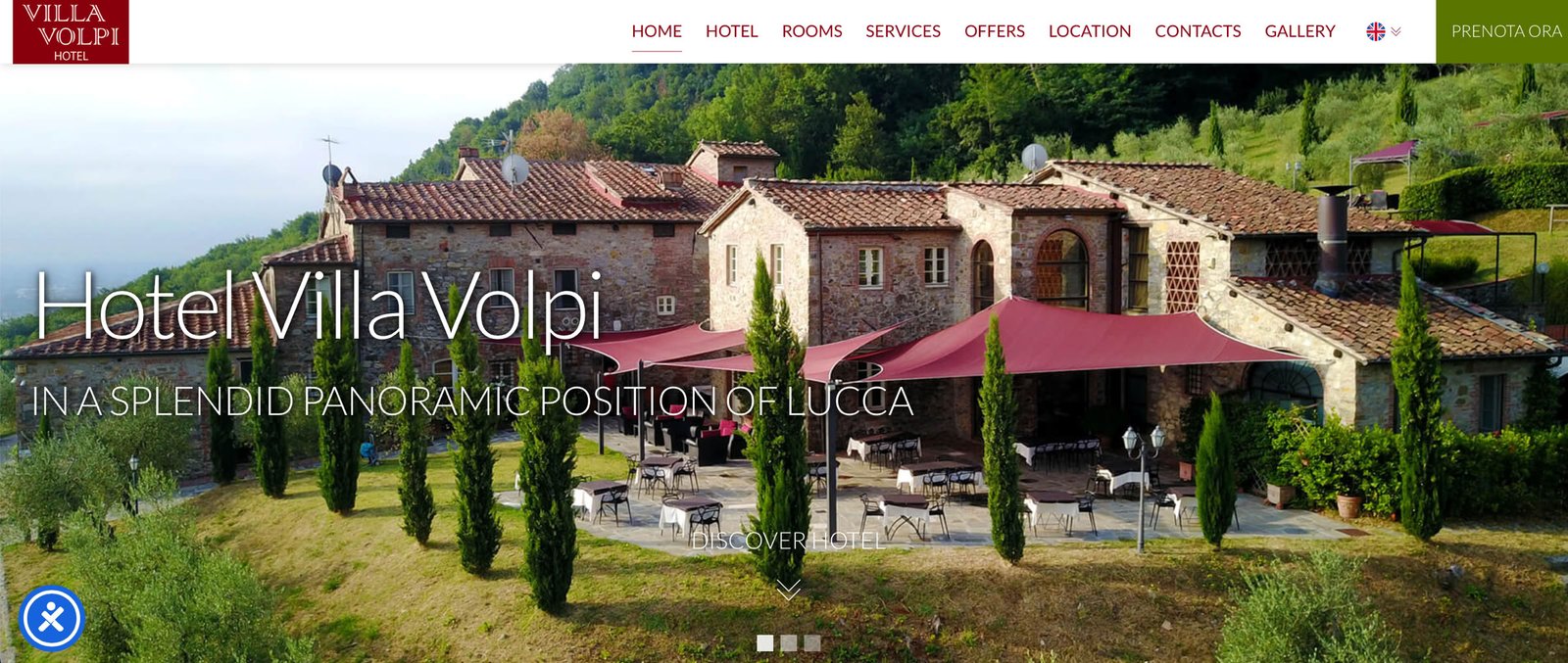
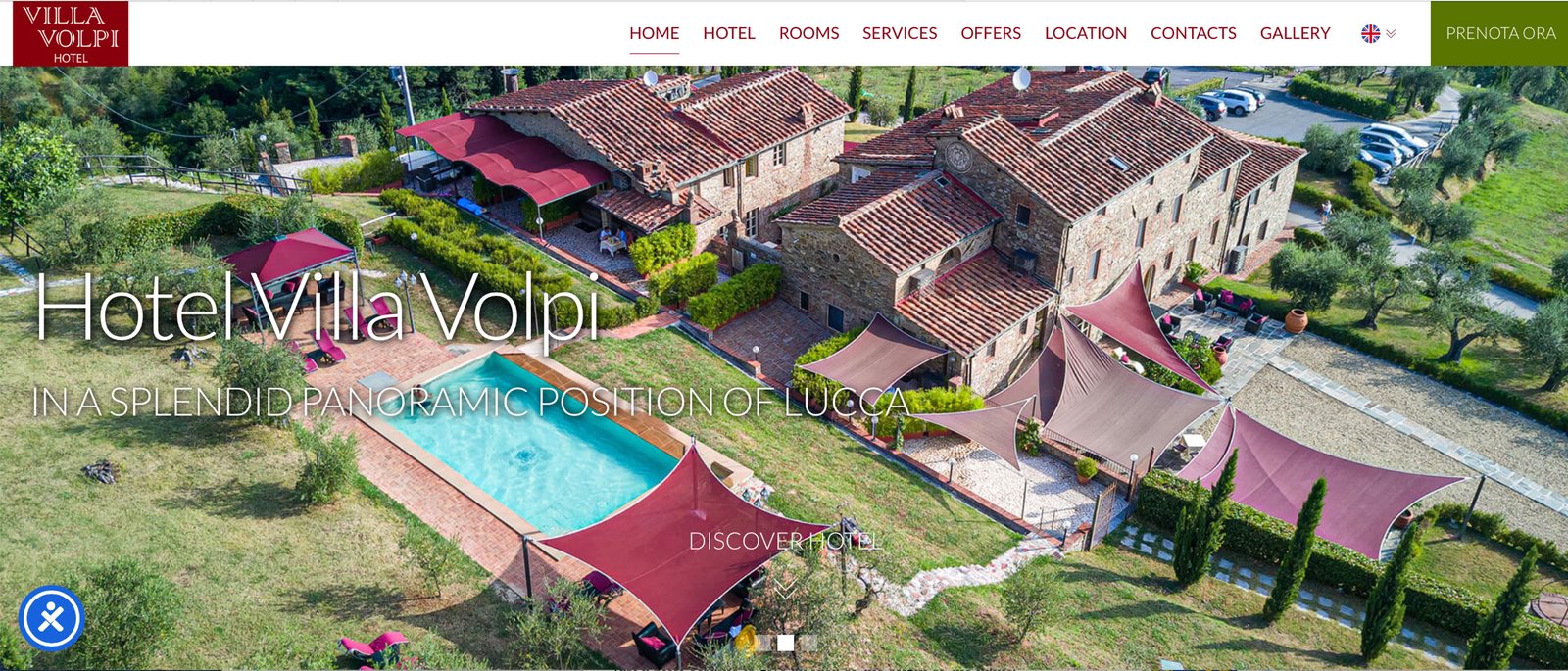
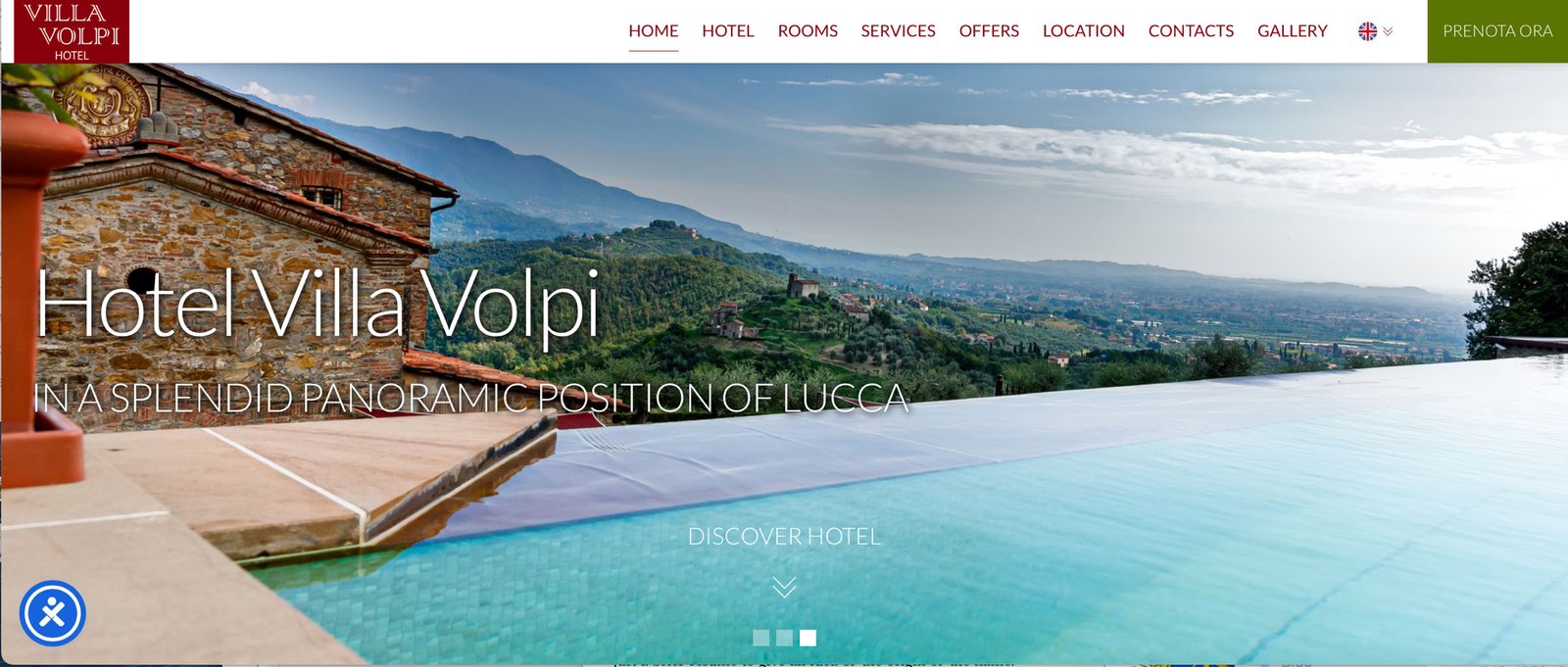
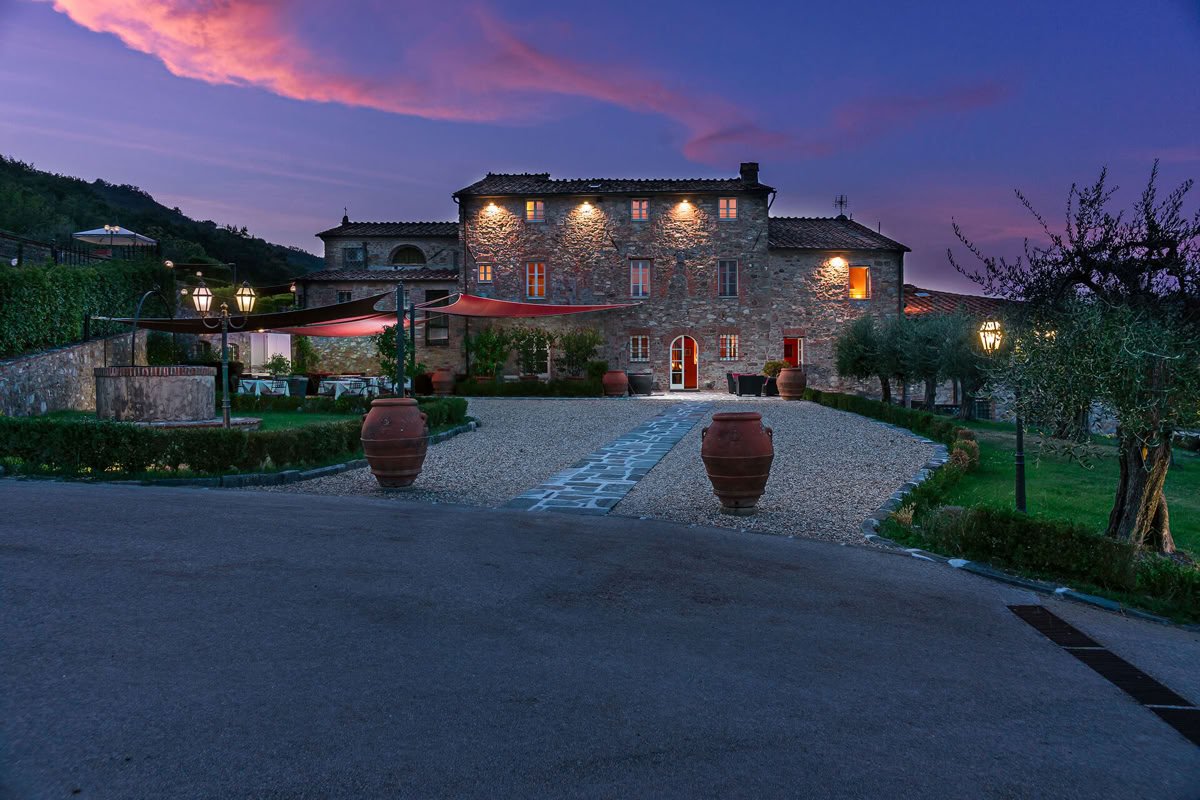
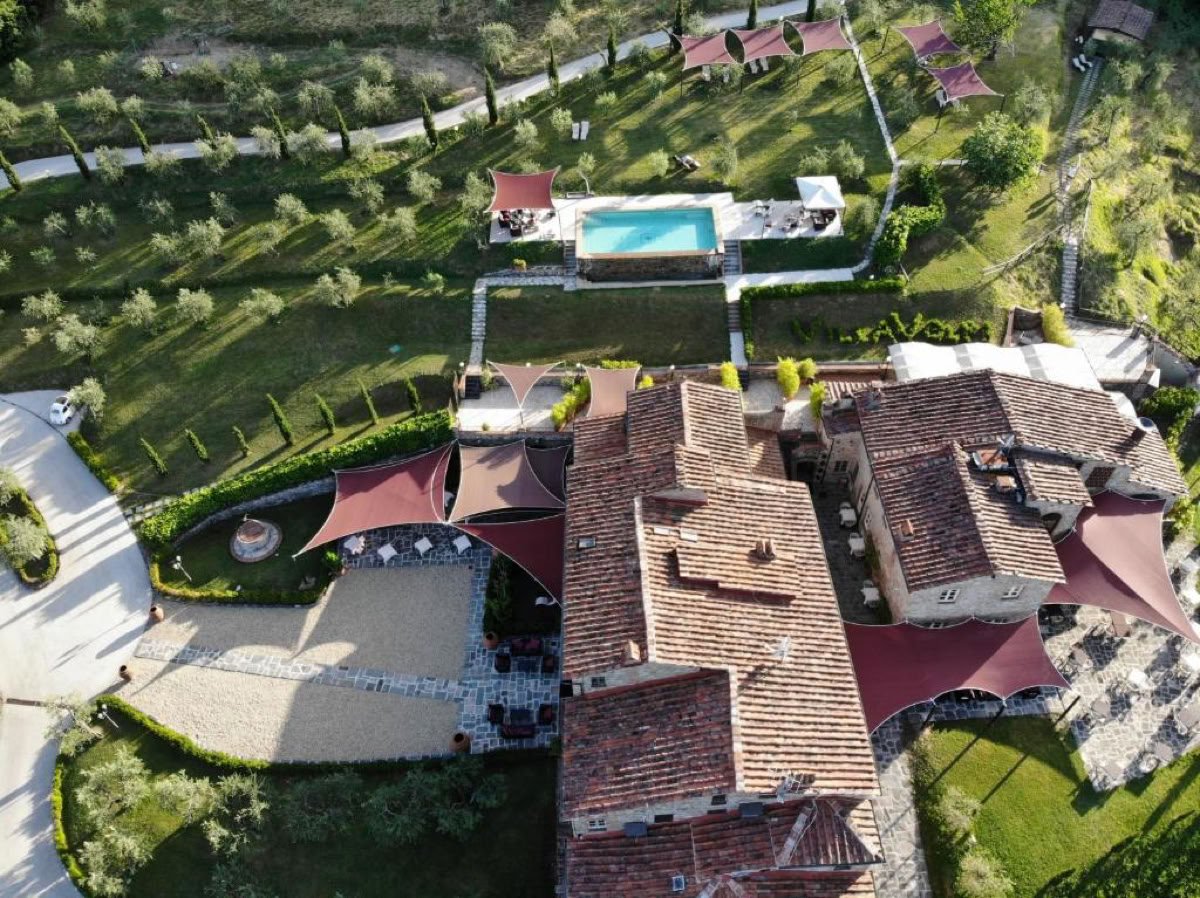
The history of the Hotel Villa Volpi
The property that belonged to the Burlamacchi family, nobles of Lucca, has always had a purely agricultural function that has seen more extensions starting from the eighteenth century (about 1736) and then its function as a summer monastery by the Foundress of the order of the Ministers of sick of San Camillo.
The Foundress Maria Domenica Brun Barbantini bought the property in 1838 and transformed it into a convent in order to allow the sisters to come in turn in the moments of pause to regenerate themselves from the fatigue of the care of the sick and infirm and continued to maintain the farms and strengthen agricultural production above all of oil and wine.
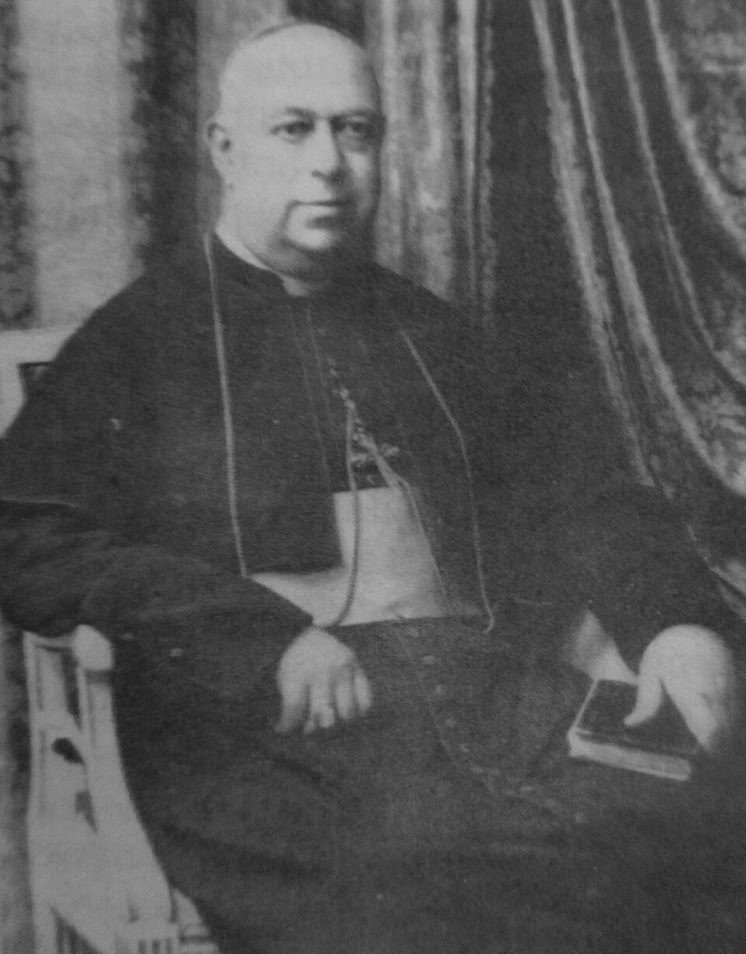
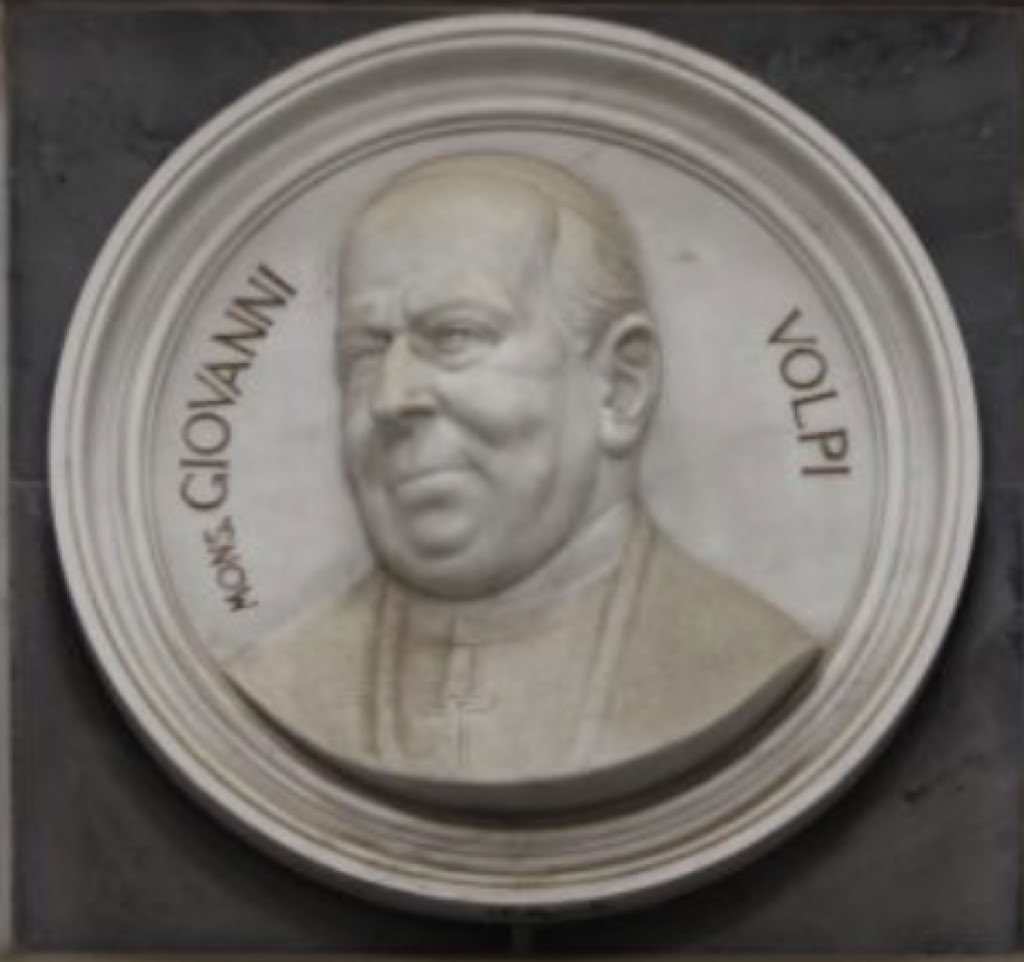
In 1868 by his will it was buried in the chapel of the villa where it remained until 1898 when the congregation decided to move the body and put the entire property on sale due to the industrial revolution in progress which caused the value of agricultural crops to collapse and he forced to ask the Bishop of Lucca Mons. Giovanni Volpi for help to speed up the situation.
The Bishop proposed the property to his brother Paolo Volpi, a large landowner, to make it a family summer residence and so it was sold and refurbished and was called Villa Volpi.
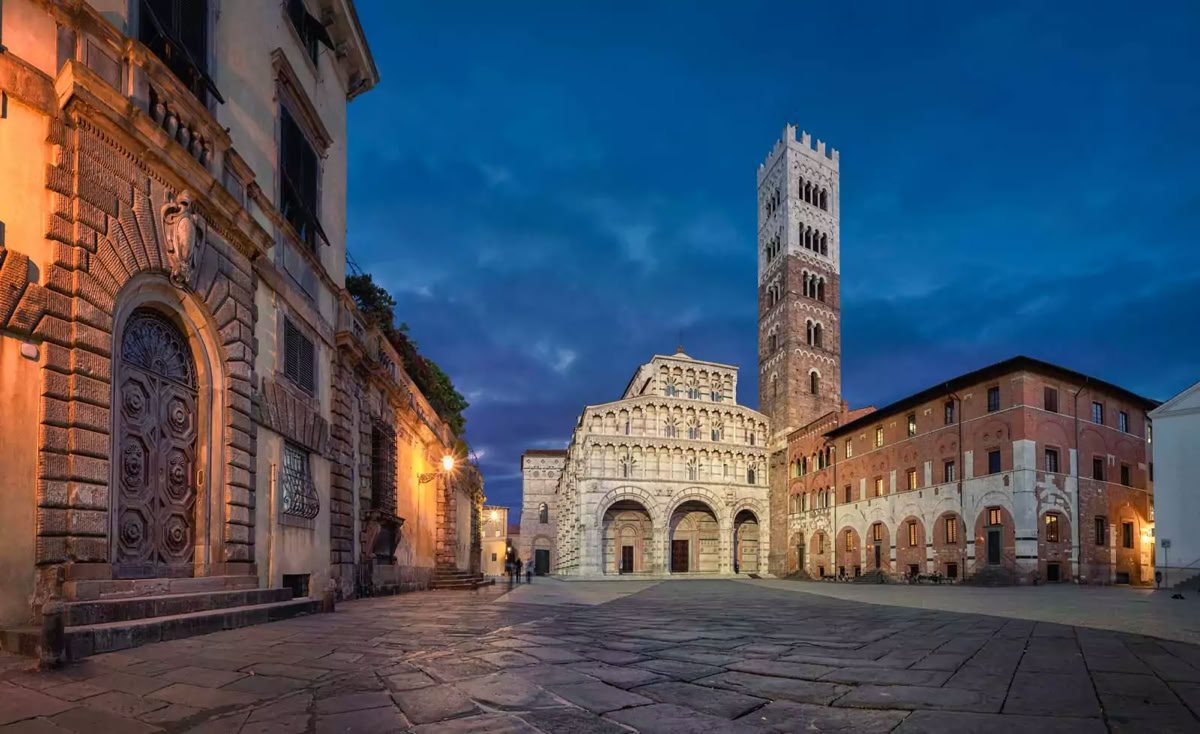
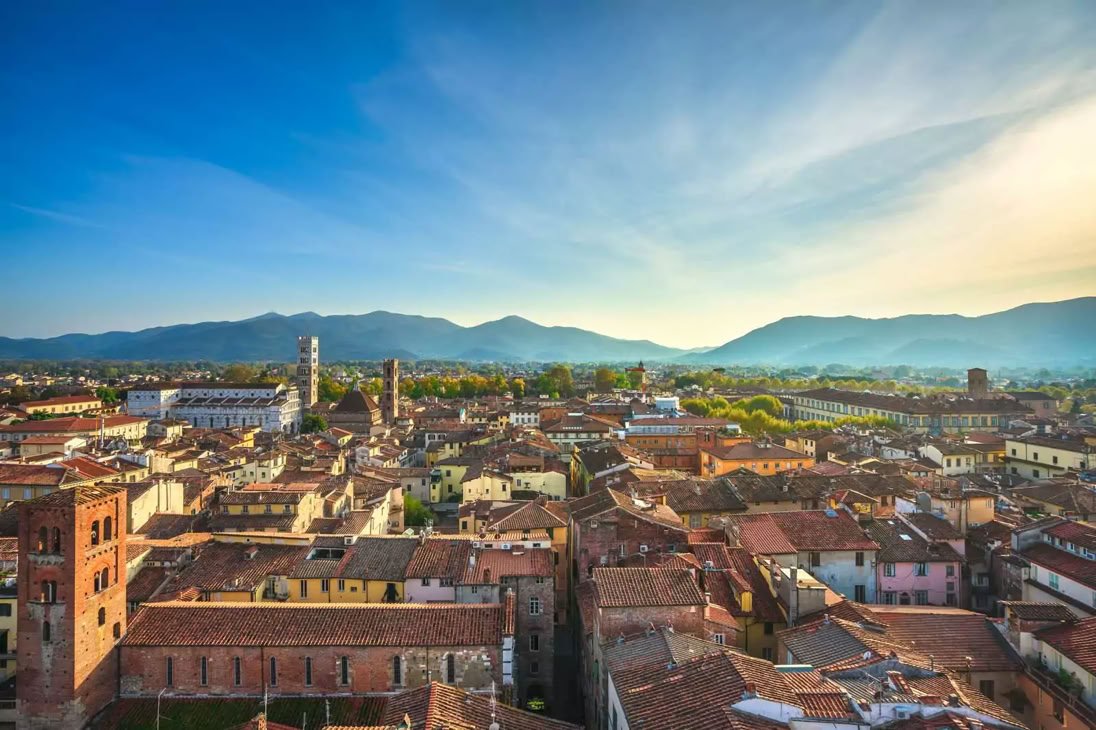
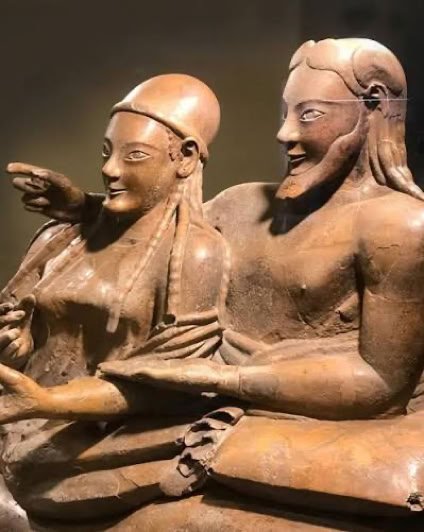
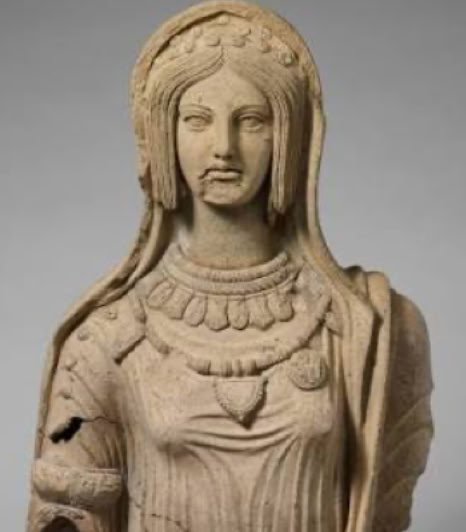
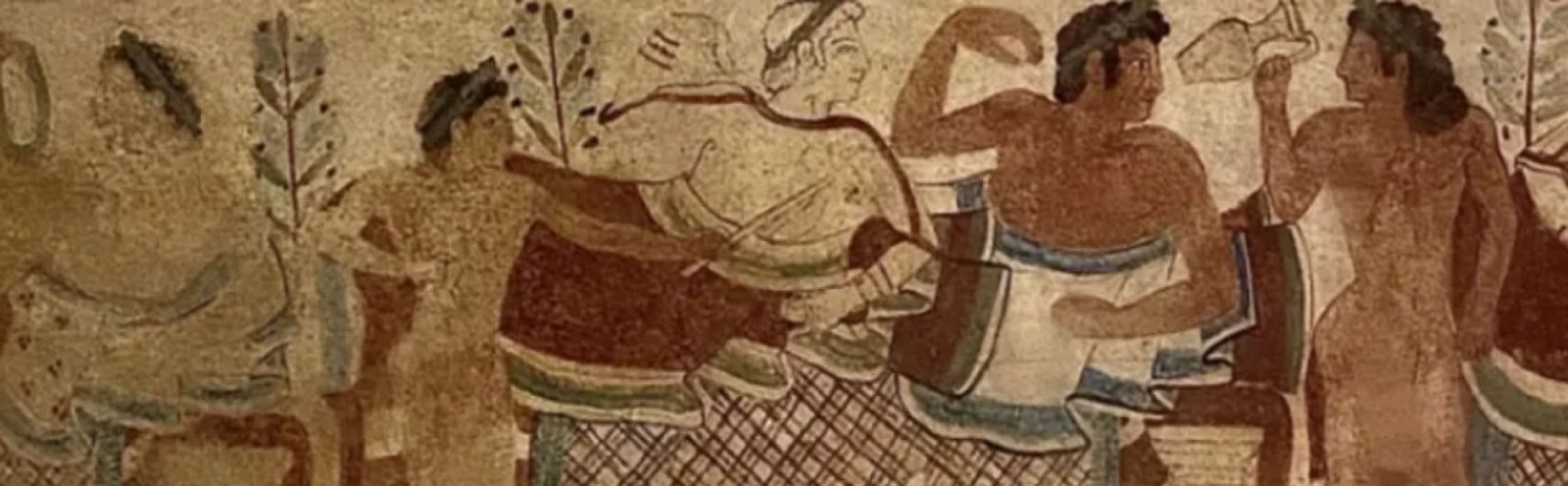
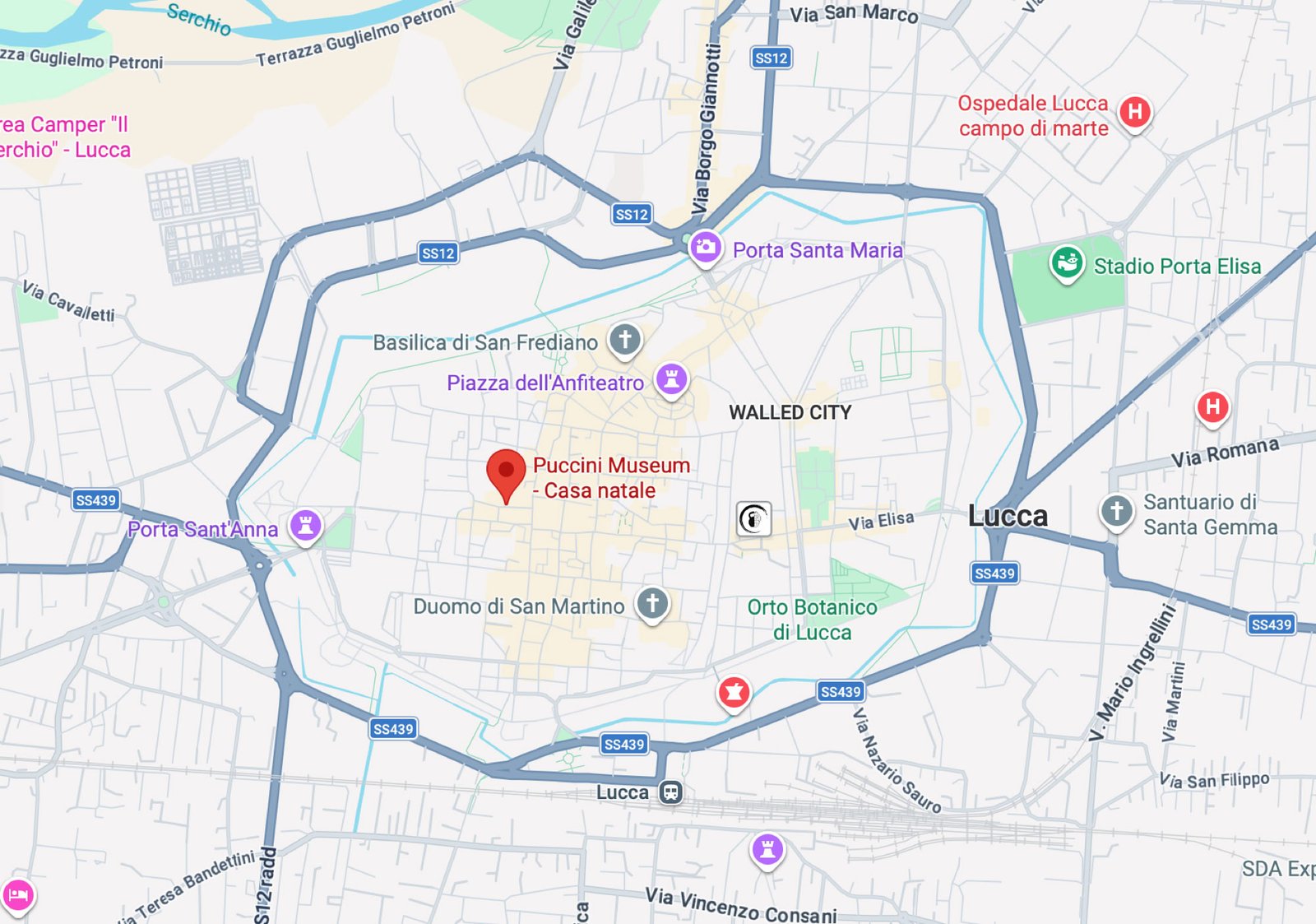
Lucca was founded by the Etruscans (there are traces of a pre-existing Ligurian settlement) and became a Roman colony in 180 BC. The rectangular grid of its historical center preserves the Roman street plan, and the Piazza San Michele occupies the site of the ancient forum.
Plundered by Odoacer, Lucca appears as an important city and fortress at the time of Narses, who besieged it for three months in 553, and under the Lombards it was the seat of a duke who minted his own coins. It became prosperous through the silk trade that got a start in the 11th century, to rival the silks of Byzantium. In the 10th and 11th centuries Lucca was the capital of the feudal margravate of Tuscany, more or less independent but owing nominal allegiance to the Holy Roman Emperor.
After the death of the famous Matilda of Tuscany, the city began to constitute itself an independent commune, with a charter of 1160. For almost 500 years, Lucca was an independent republic. There were many minor feudatories in the region between southern Liguria and northern Tuscany dominated by the Malaspina; Tuscany in this time was a part of feudal Europe. Dante’s Divine Comedy include many references to the great feudal families who had huge jurisdictions with administrative and judicial rights. Dante himself spent some of his exile in Lucca.
In the common central Italian pattern, internal discord afforded an opportunity in 1314 to Uguccione della Faggiuola to make himself master of Lucca, but the Lucchesi expelled him two years afterwards, and handed over their city to the condottiere Castruccio Castracani, under whose masterly tyranny it became for a moment a leading state of central Italy, rival to Florence, until his death in 1328.
On 22 and 23 September 1325, in the battle of Altopascio, he defeated again Florence’s Guelphs, taking many prisoners and also for this he was nominated, always from Louis IV the Bavarian, duke of Lucca.
Castracani’s tomb is in the church of San Francesco. His biography is Machiavelli’s third famous book on political rule.
Lucca was the seat of a convocation in 1408 that was intended to end the schism in the papacy. Occupied by the troops of Louis of Bavaria, the city was sold to a rich Genoese Gherardino Spinola, seized by John, king of Bohemia. Pawned to the Rossi of Parma, by them it was ceded to Martino della Scala of Verona, sold to the Florentines, surrendered to the Pisans, nominally liberated by the emperor Charles IV. and governed by his vicar, Lucca managed, at first as a democracy, and after 1628 as an oligarchy, to maintain its independence alongside of Venice and Genoa, and painted the word Libertas on its banner till the French Revolution” (Encyclopaedia Britannica 1911).
Lucca was the largest Italian city state with a republican constitution (“comune”) to remain independent over the centuries – next to Venice, of course. In 1805 Lucca was taken over by Napoleon, who put his sister Elisa Bonaparte Baciocchi in charge as “Queen of Etruria”. After 1815 it became a Bourbon-Parma duchy, then part of Tuscany in 1847 and finally part of the Italian State. Lucca is twinned with the English market town of Abingdon, near Oxford.
Unusual for cities in the region, the walls around the old town were retained intact as the city expanded and modernized. As the wide walls lost their military importance, they became a pedestrian promenade ringing the old town although they were used for a number of years in the 20th century for racing cars. They are still fully intact today; each of the four principal sides is lined with a different tree species.
The academy of sciences (1584) is the most famous of several academies and libraries.
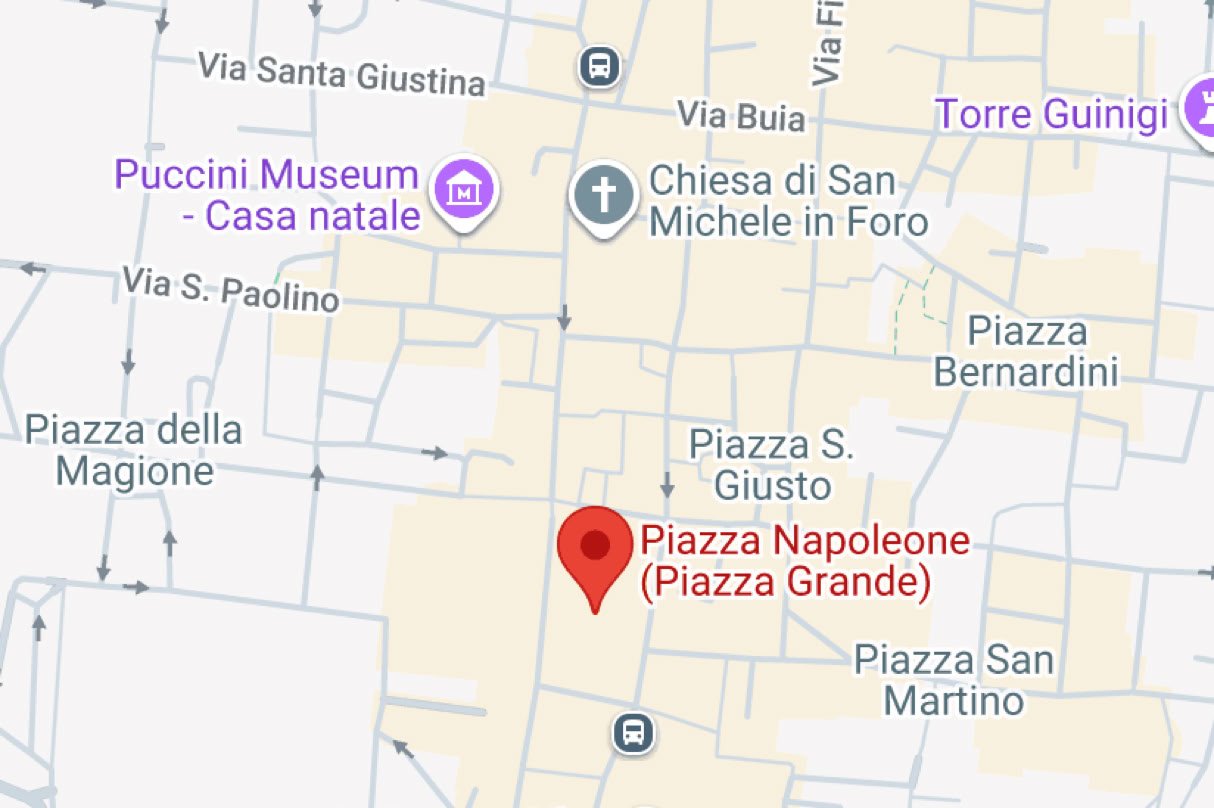
The Casa di Puccini is open to the public. At nearby Torre del Lago there is a Puccini opera festival every year in July/August. Puccini had a house there.
There are many richly built medieval basilica-form churches in Lucca with rich arcaded facades and campaniles, a few as old as the 8th century.
•Piazza Napoleone
•Piazza San Michele
•Duomo di San Martino (St Martin’s Cathedral)
•Ducal Palace. The original project was begun by Bartolomeo Ammannati in 1577-1582, and continued by Filippo Juvarra in the 18th century.
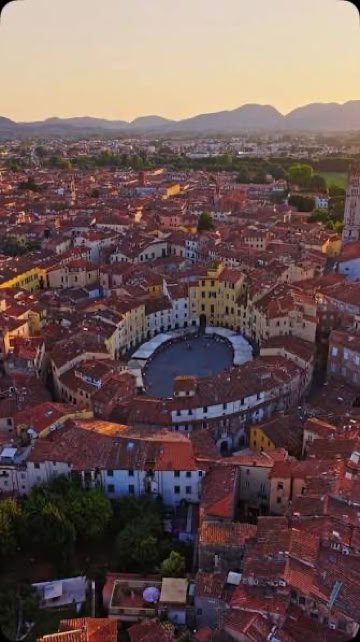
•The ancient Roman amphitheatre
•Church of San Michele in Foro
•Basilica di San Frediano
•Torre delle ore (“Clock Tower”)
•Casa and Torre Guinigi
•Museo Nazionale Guinigi
•Museo e Pinacoteca Nazionale
•Orto Botanico Comunale di Lucca, a botanical garden dating to 1820
•Palazzo Pfanner
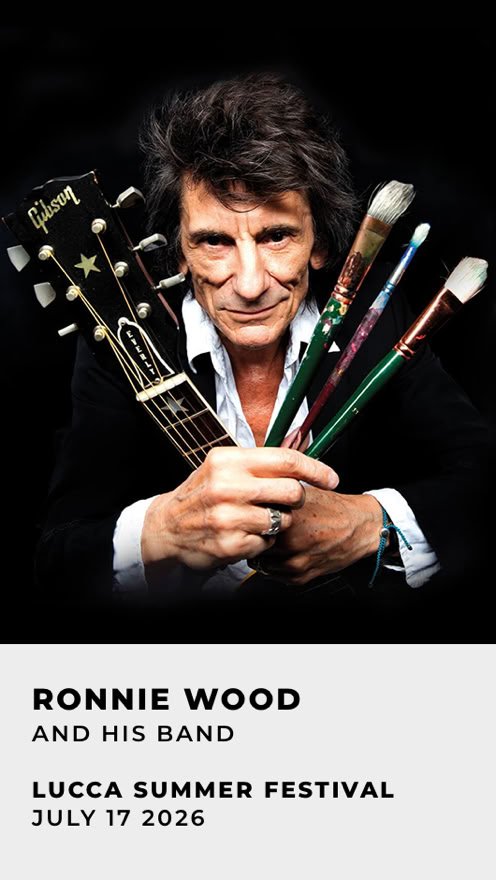
Lucca hosts the Lucca Summer Festival each year which, in the past years saw the likes of Eric Clapton, Roger Waters, Elton John, Tracy Chapman and Santana play live in the Piazza Napoleon.
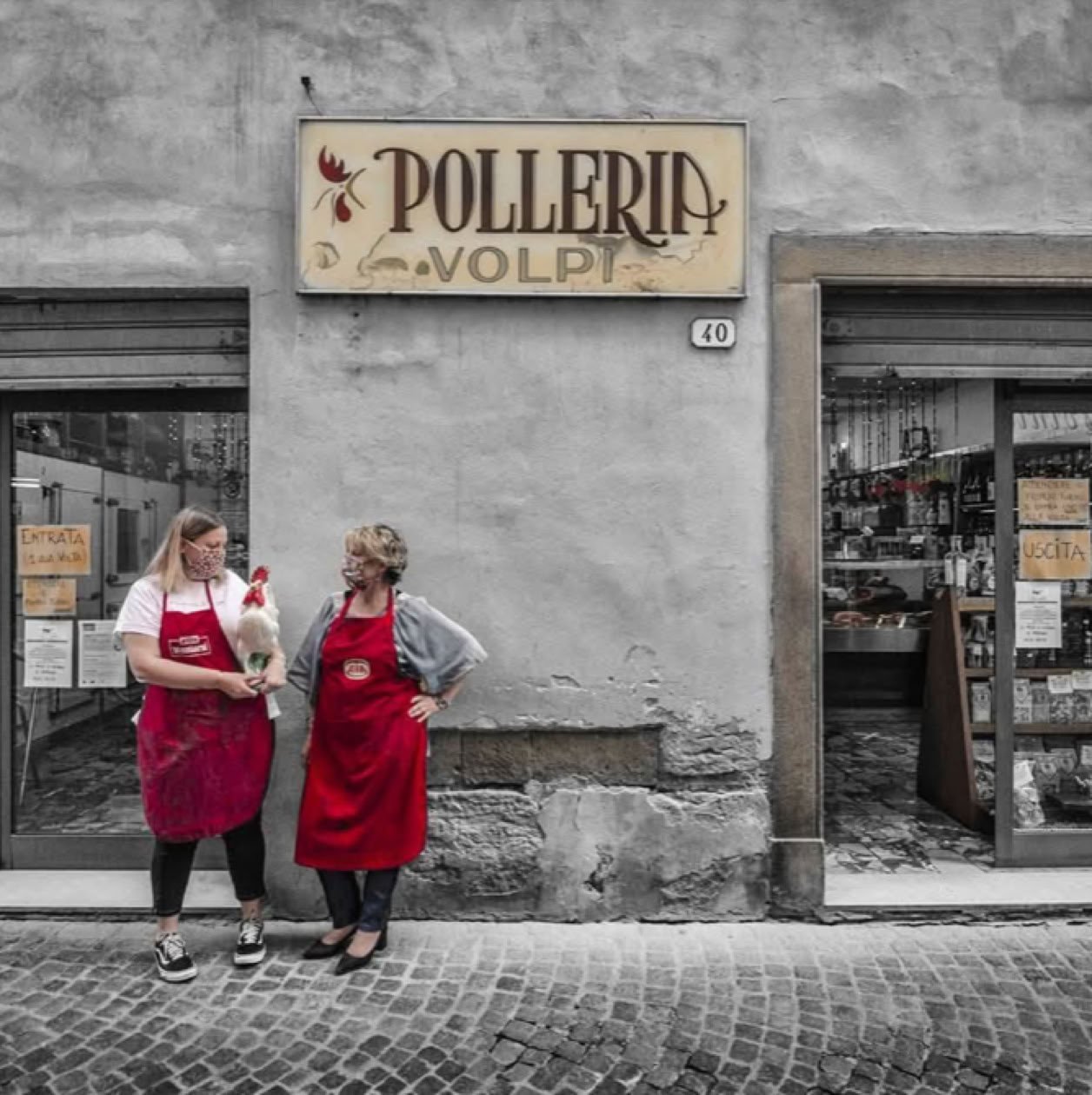
Polleria
Volpi

Polleria Volpi is a historic family-owned shop in Lucca, Italy, operating for over 50 years. They sell fresh meats, artisan pasta, and prepared meals like paella.
Via dell'Anfiteatro, 11, 55100 Lucca, Italy.
I have not found any Volpi’s in modern-day Lucca but I am sure that they are there and I see that they are well distributed around the world Some notable Volpi’s:
• Alberto Volpi (b. 1962), Italian road bicycle racer
• Albino Volpi (1889–1939), Italian fascist and early supporter of Benito Mussolini
• Alessandro Volpi (b. 1963), Italian politician and historian
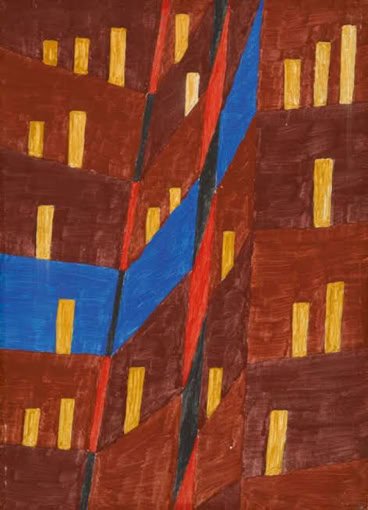
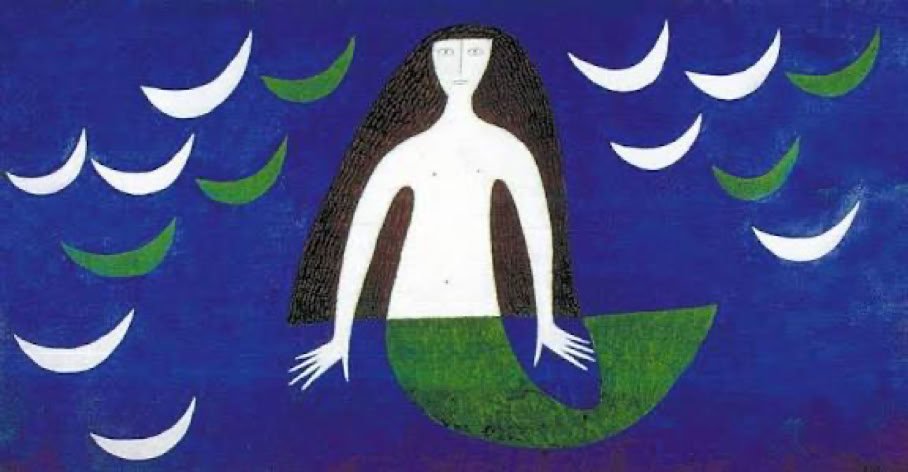
• Alfredo Volpi (1896–1988), Italian-Brazilian modernist painter
• Alice Volpi (b. 1992), Italian right-handed foil fencer
• Bruno Volpi (b. 1993), Argentine professional footballer
• Charles P. de Volpi (1911–1981), Canadian philatelist
• Christian Volpi (b. 1965), French water polo player
• Demis Volpi, German-Argentine choreographer
• Francesco Volpi (b. 1972), Italian designer (Strategic and graphic design)
• Franco Volpi (actor) (1921–1997), Italian actor and voice actor
• Franco Volpi (philosopher) (1952-2009), Italian philosopher, historian of philosophy and professor
• Gabriele Volpi (born 1943), Italian-born Nigerian businessman
• Giacomo Lauri-Volpi (1892–1979), Italian operatic tenor
• Giovanni Volpi (b. 1938), Italian automobile racing manager
• Giovanni Antonio Volpi (1686–1766), Italian editor and poet
• Giovanni Pietro Volpi (1585–1636), Roman Catholic prelate
• Giulia Volpi (b. 1970), Italian gymnast
• Giuseppe Volpi (1877–1947), Italian politician
• Giuseppe Volpi (sailor) (1908–unknown), Italian sailor
• Grazia Volpi (1941–2020), Italian film producer
• Guido Volpi (b. 1995), Argentine rugby union footballer
• Jorge Volpi (b. 1968), Mexican novelist and essayist
• Marisa Volpi (1928–2015), Italian art historian and writer
• Mike Volpi (b. 1966), Italian-American venture capitalist
• Piero Volpi (b. 1952), Italian footballer and physician
• Roberto Volpi (b. 1952), Italian predominantly steeplechase runner
• Sergio Volpi (b. 1974), Italian professional football player
• Tiago Volpi (b. 1990), Brazilian professional football player
• Ulpiano Volpi or Volpiano Volpi (1559–1629), Italian Roman Catholic prelate
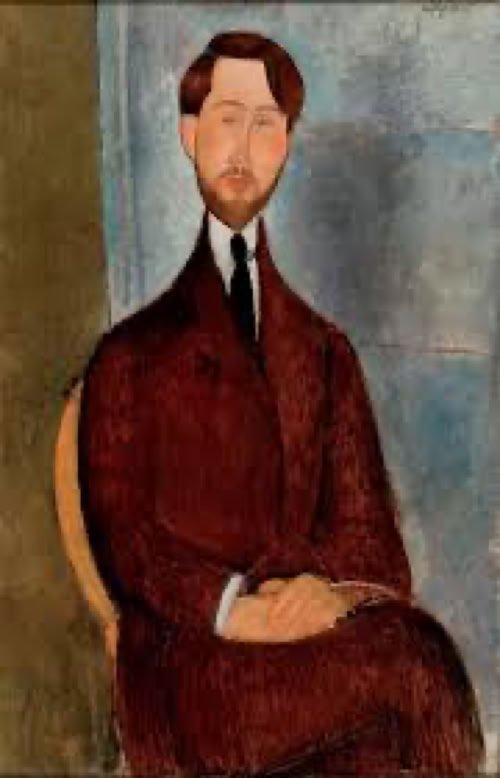
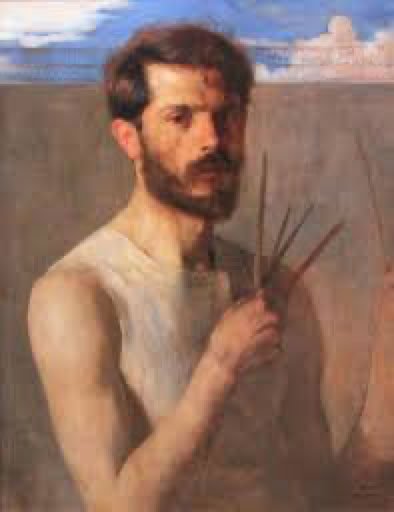
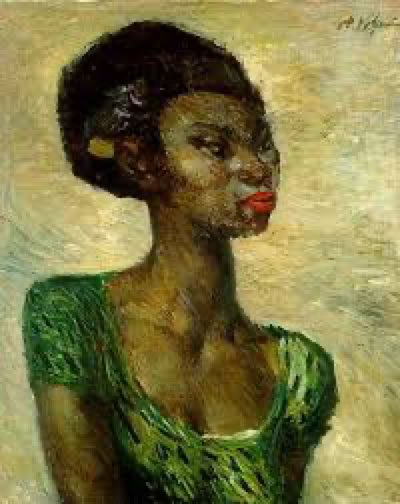
Alfredo Volpi
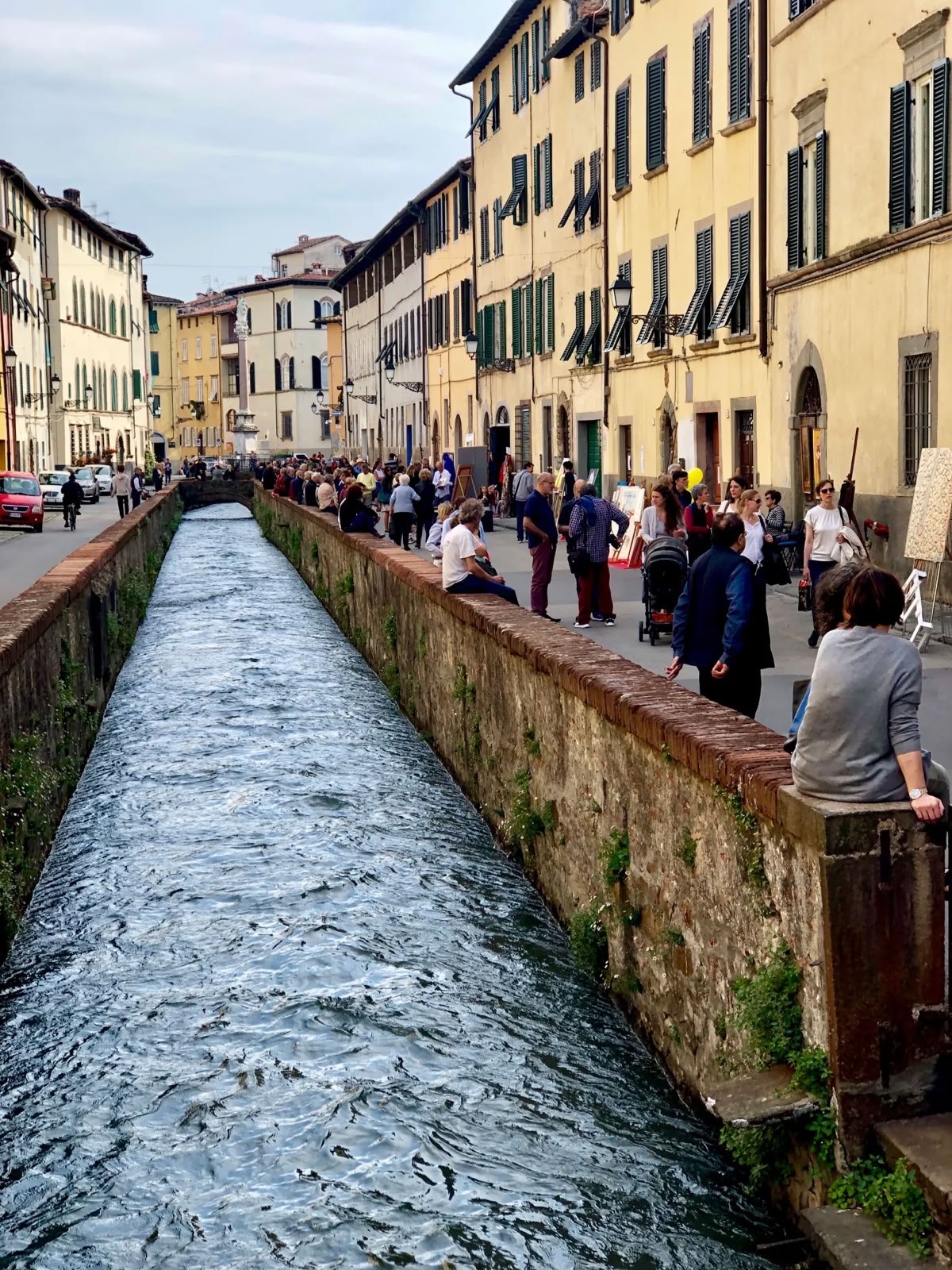
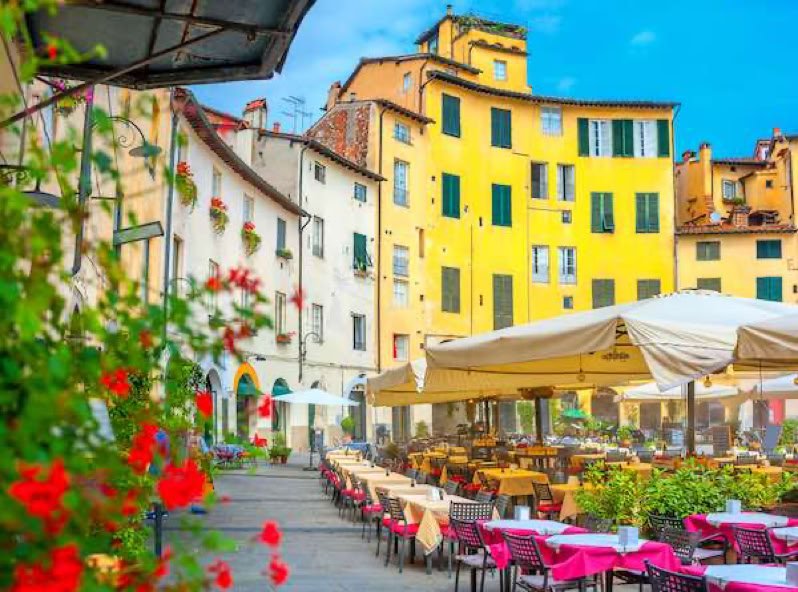
More on the modern city:
For centuries since, Via del Fosso (which means “street of the canal”) has served as a wellspring of inspiration for artisans and creatives of all trades.
The city in general is wonderful!

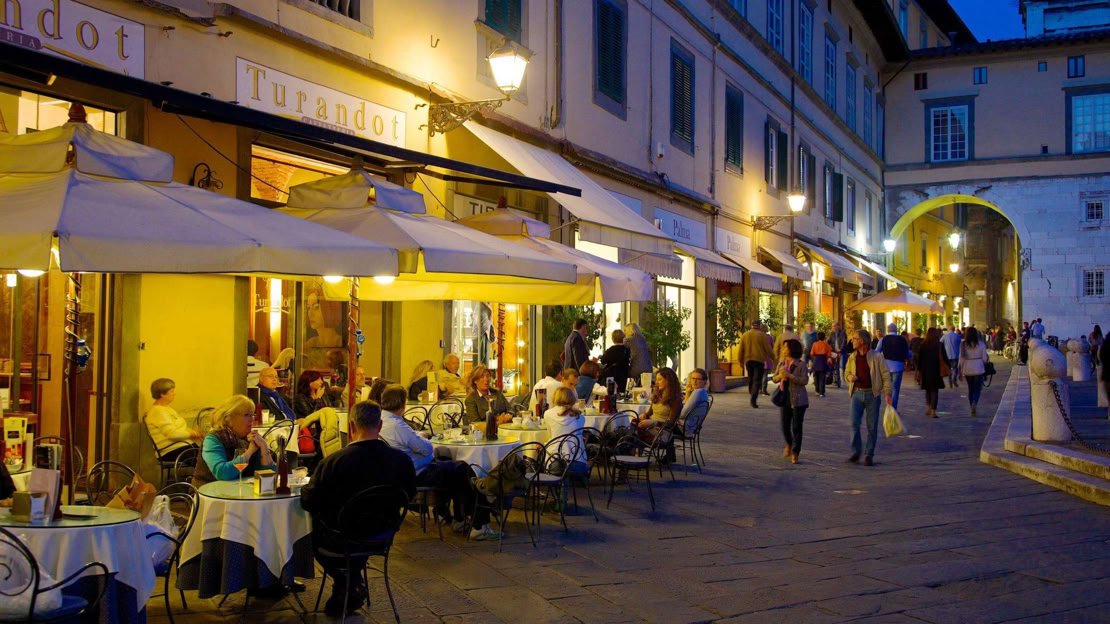
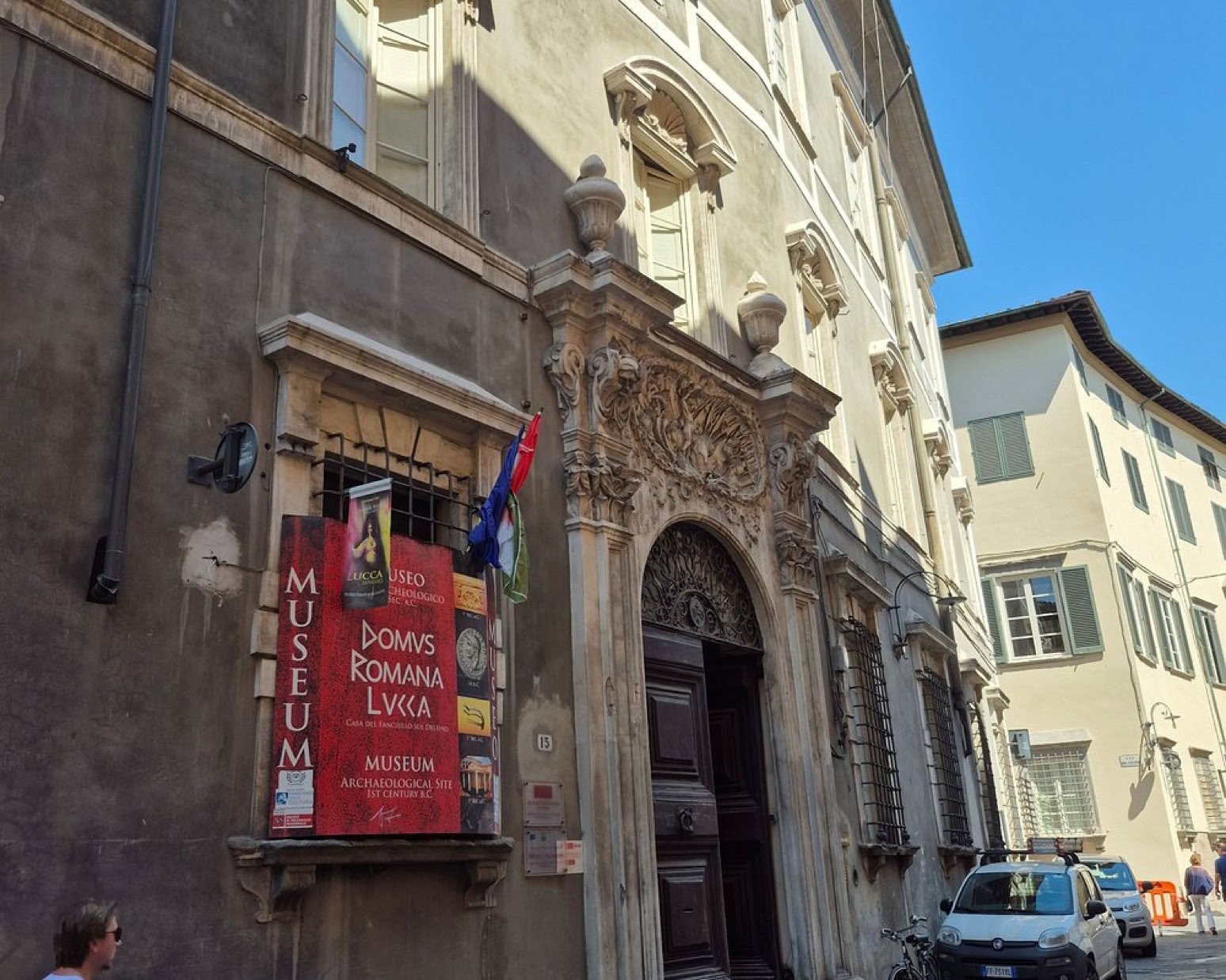
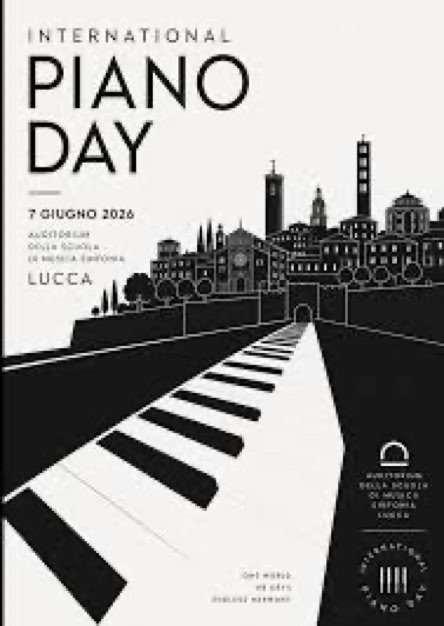
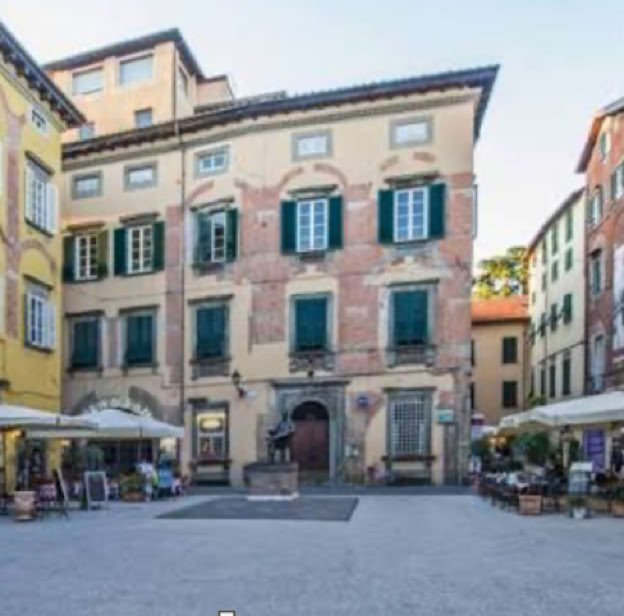
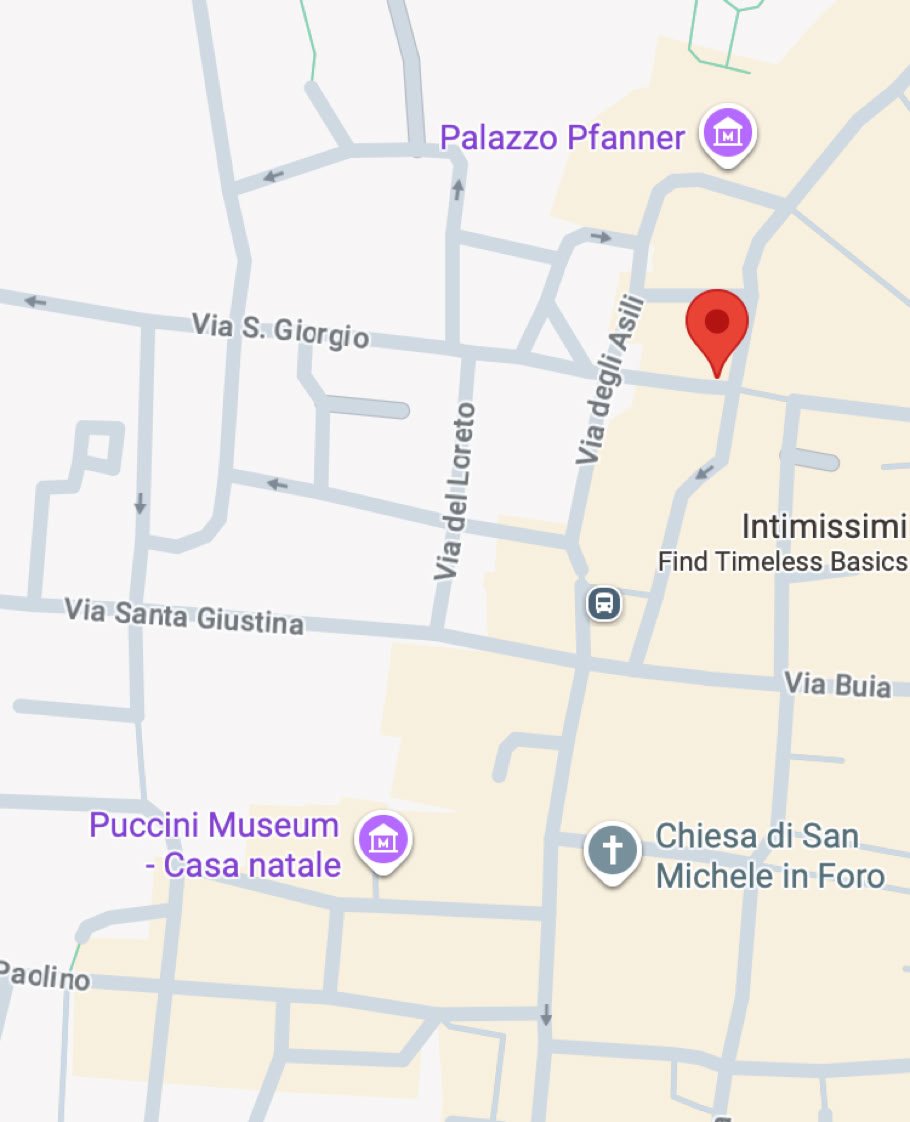
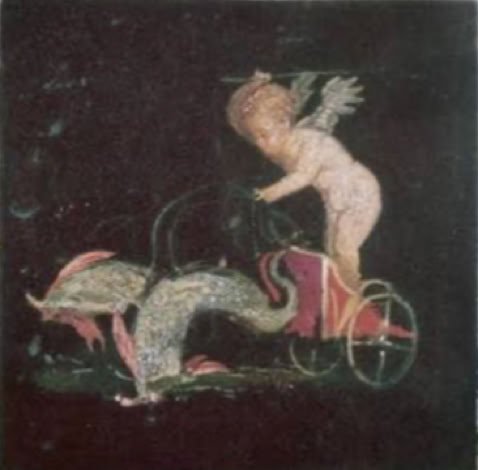
The "Casa del fanciullo sul delfino" is an archeological site from the 1st century BCE
The “Casa del fanciullo sul delfino” Domus Romana in Lucca is an archeological site discovered in 2010 in the city centre, and owes its name to the splendid terracotta frieze depicting two "putti" riding dolphins.
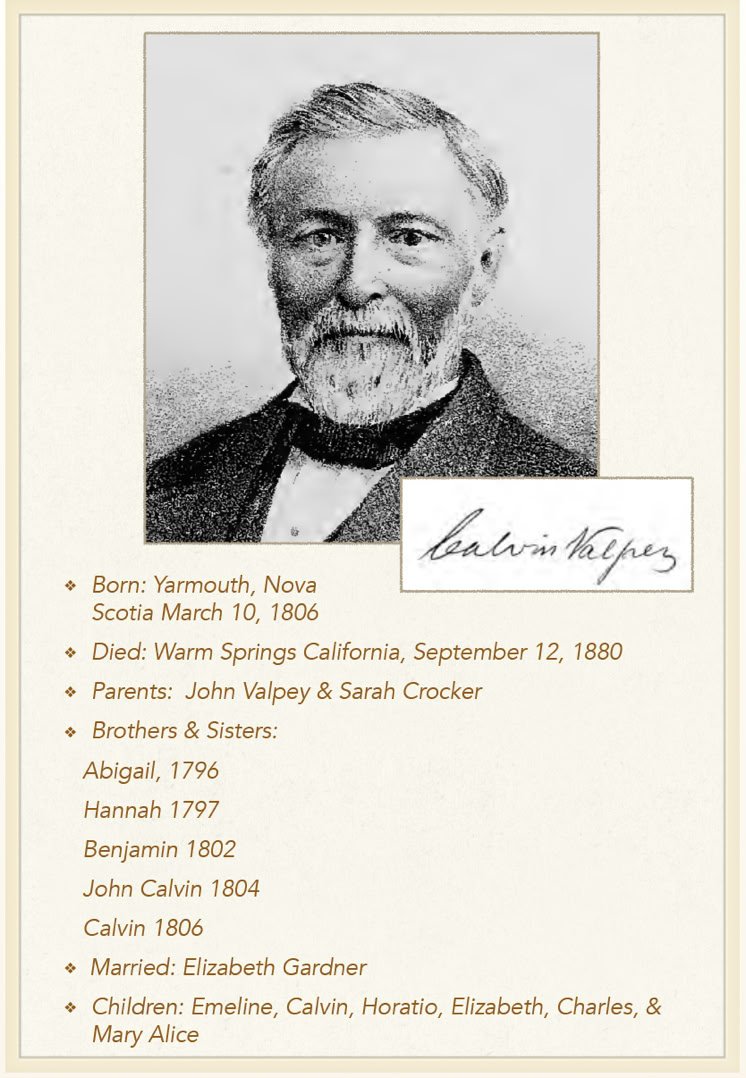
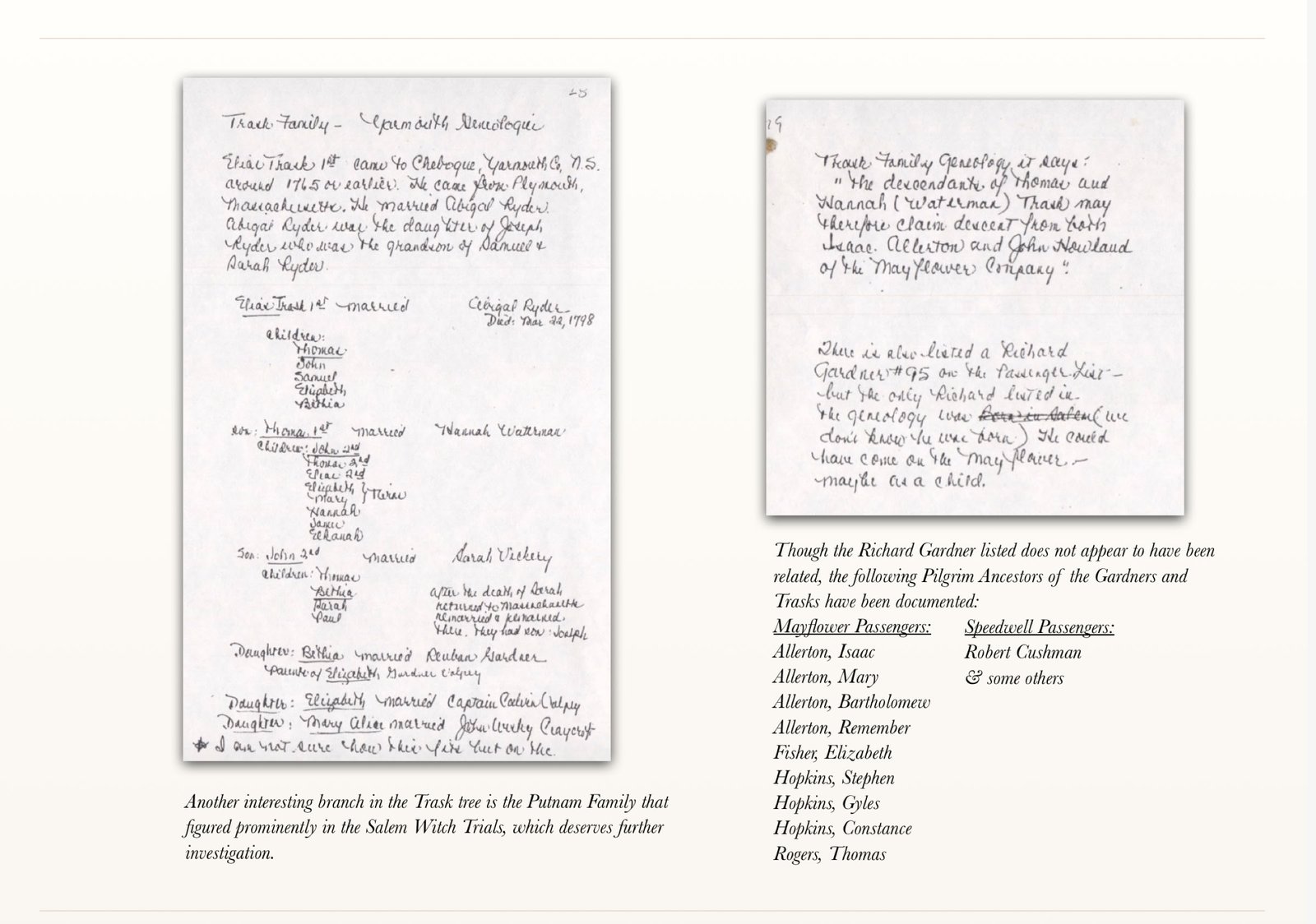
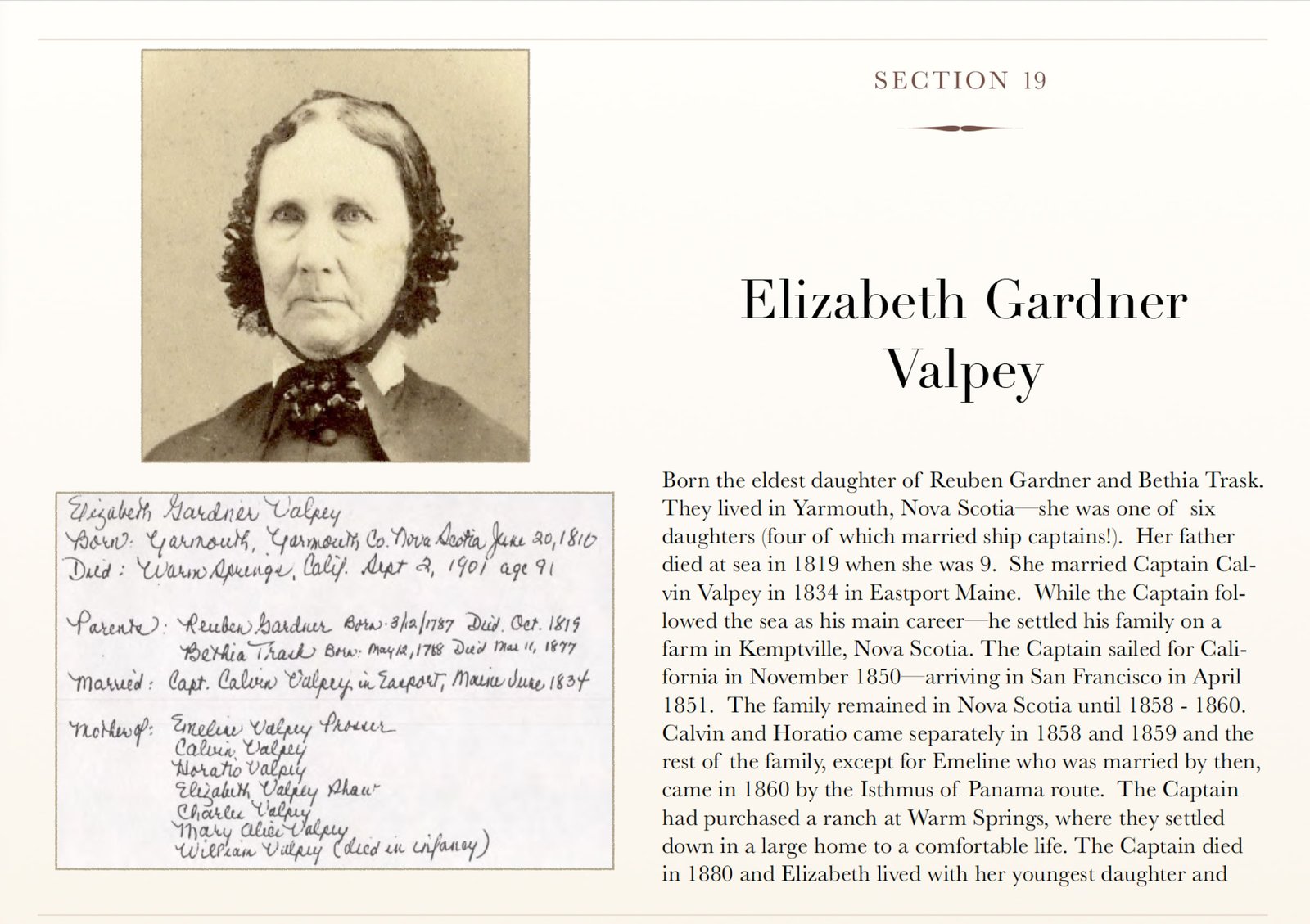
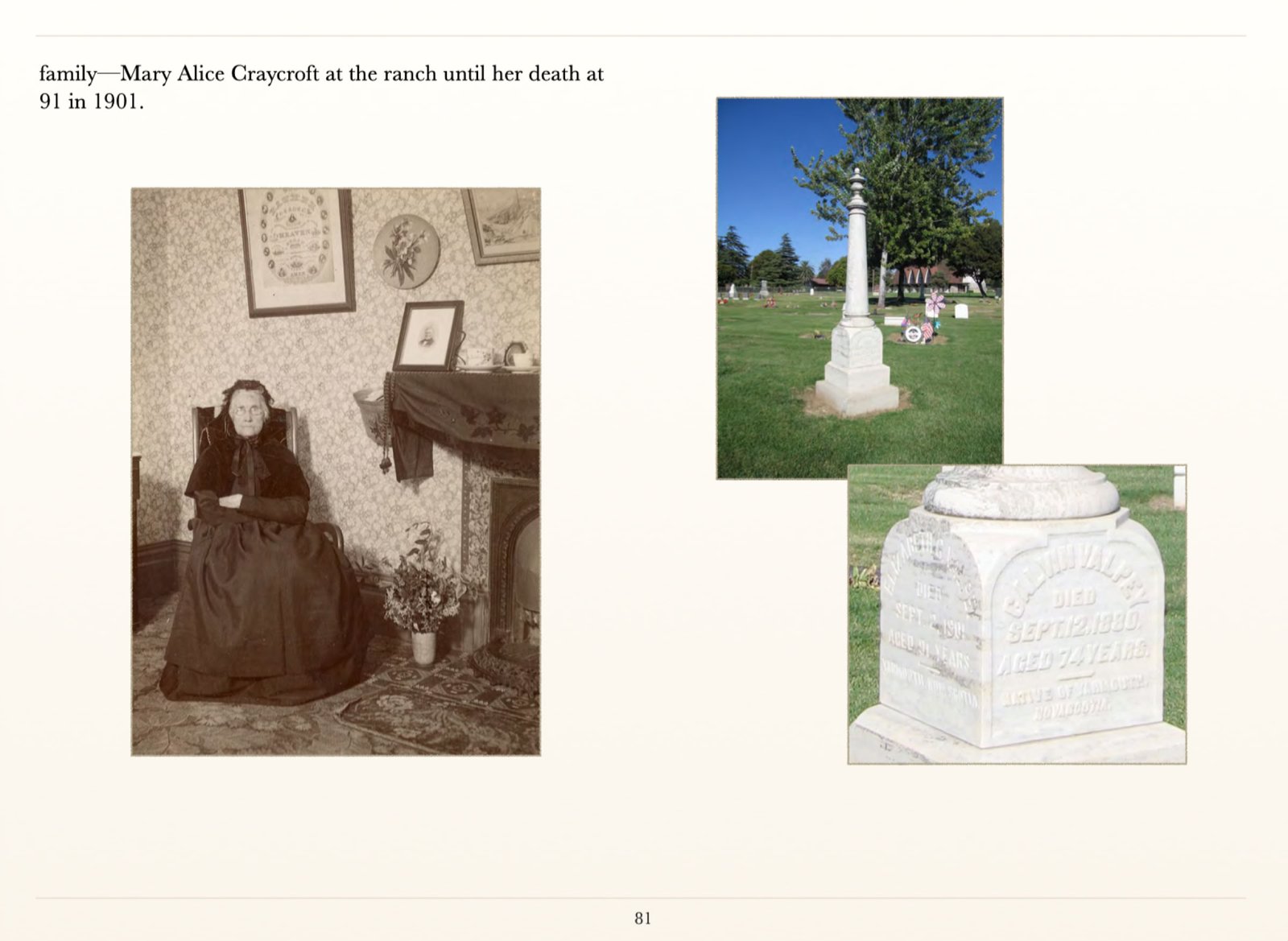
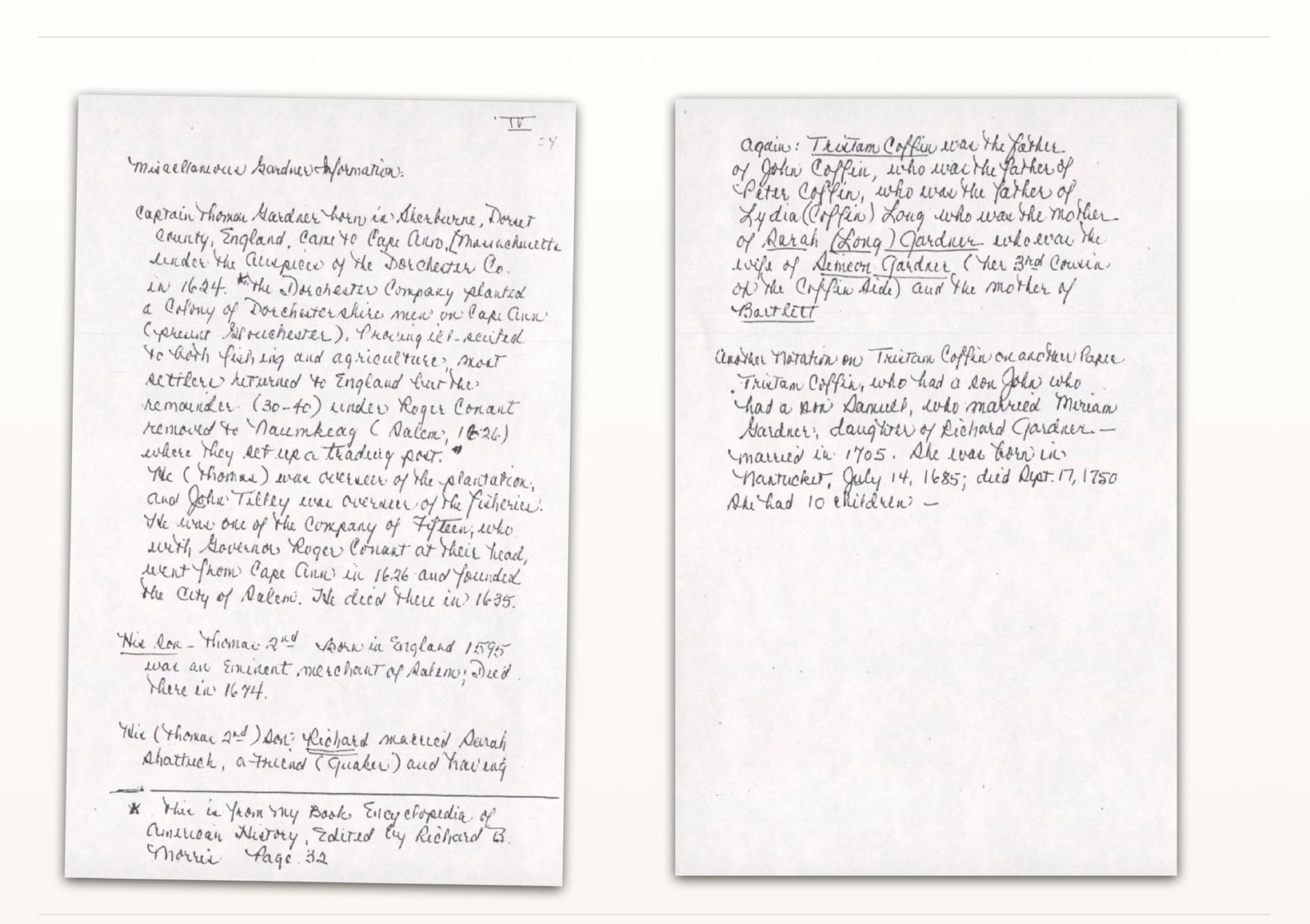
Going back to Elizabeth Gardner Valpey:
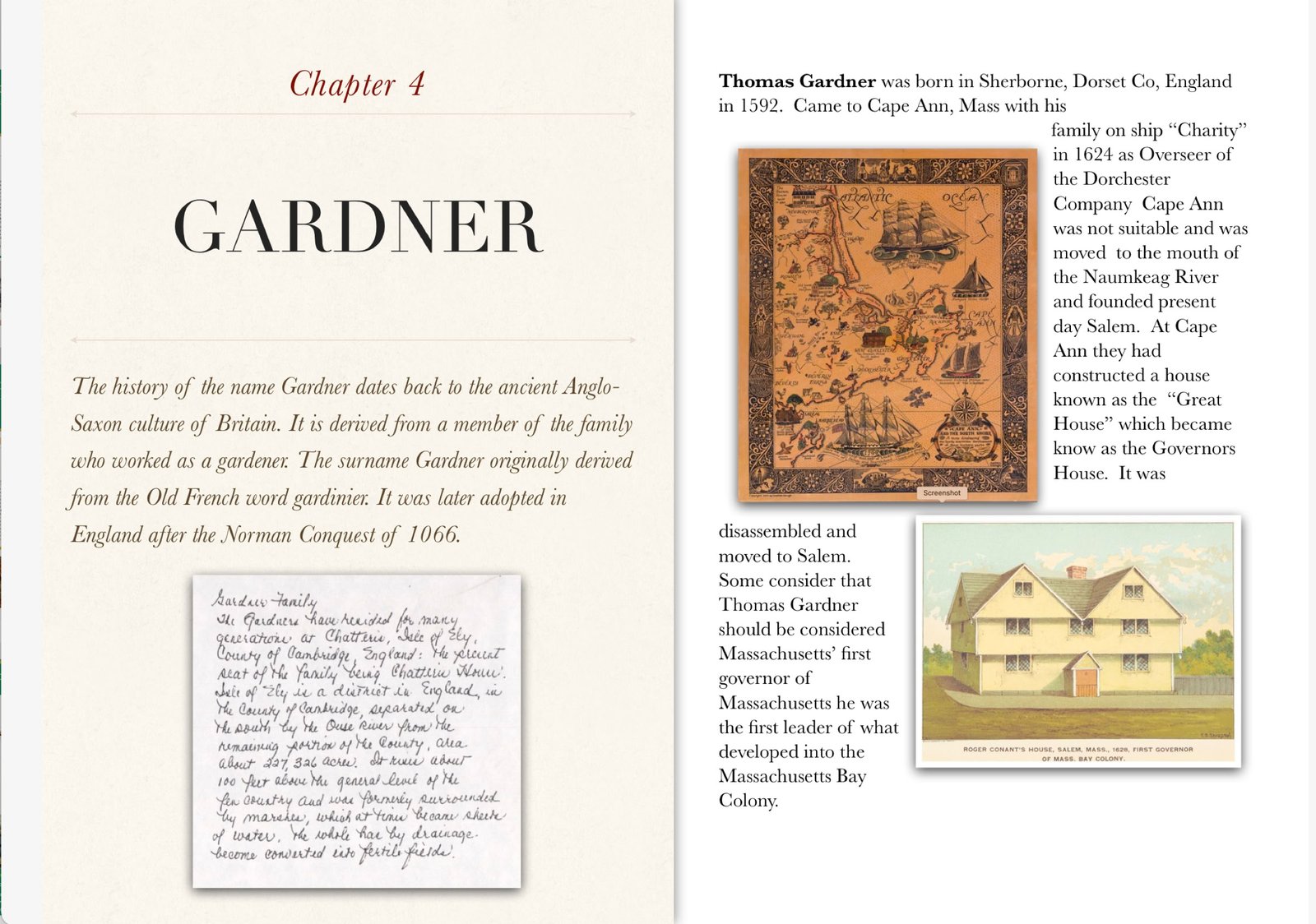
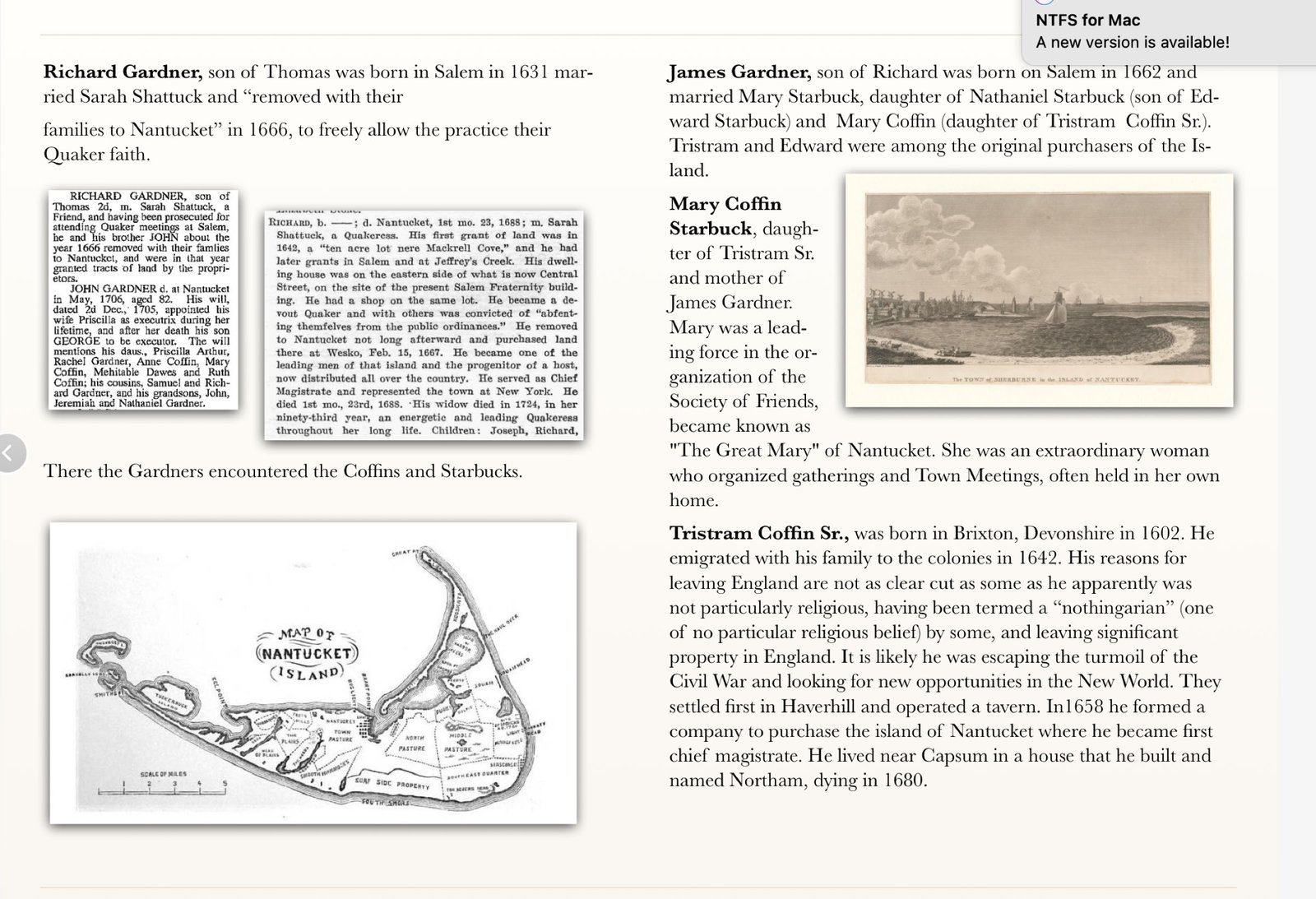
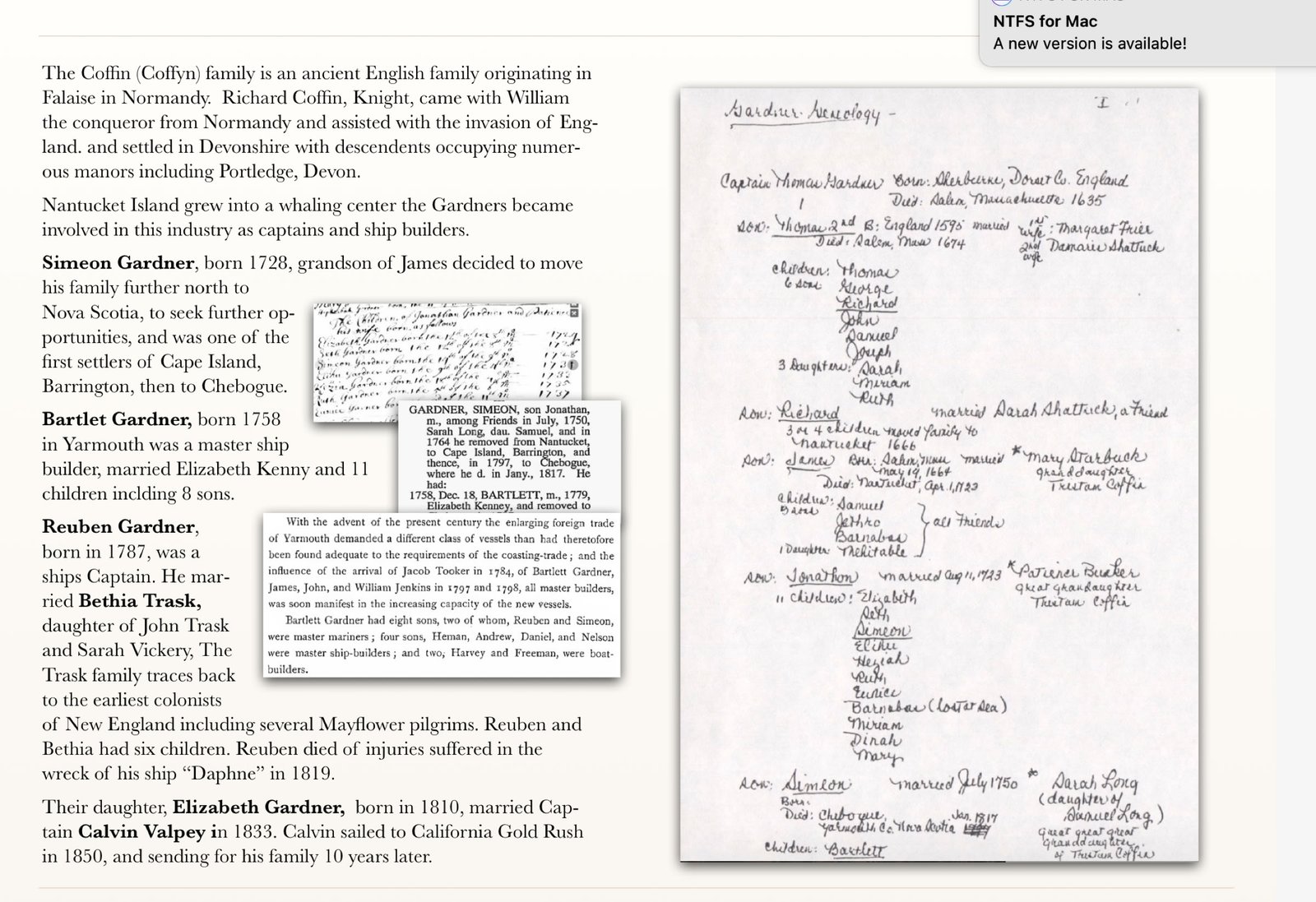
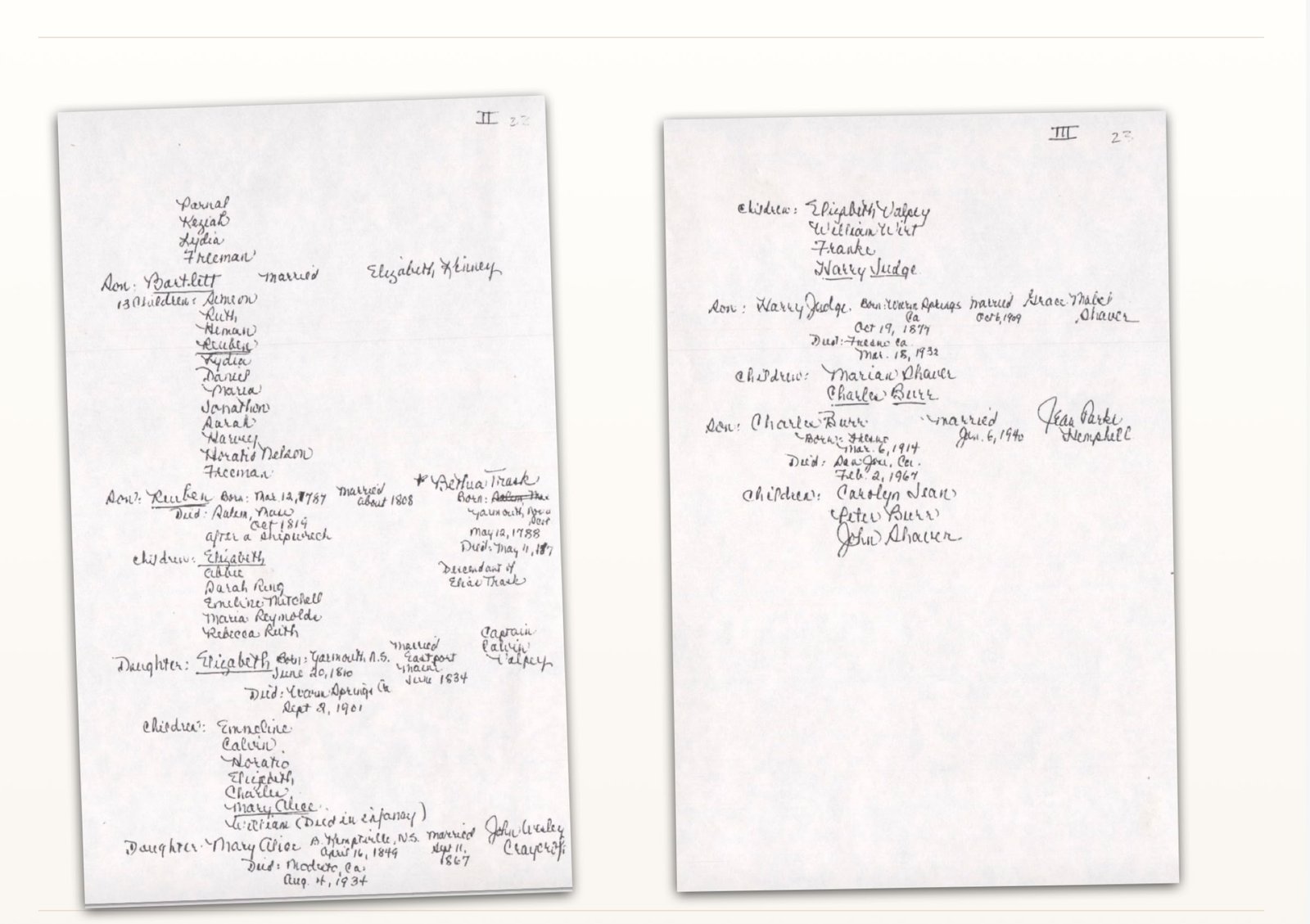
In marring Elizabeth Captain Valpey had married into a prominent early american family, The Gardner Family






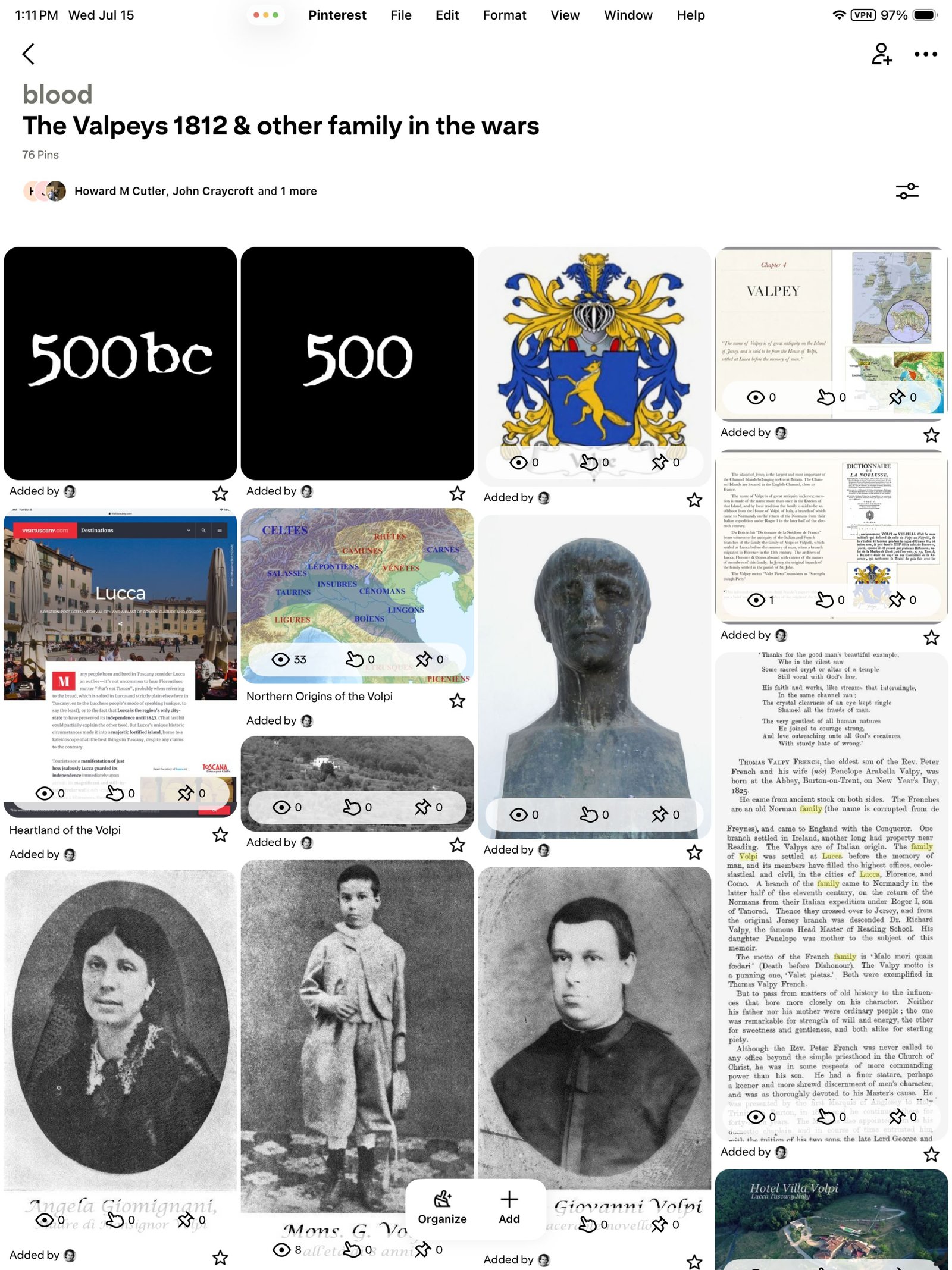
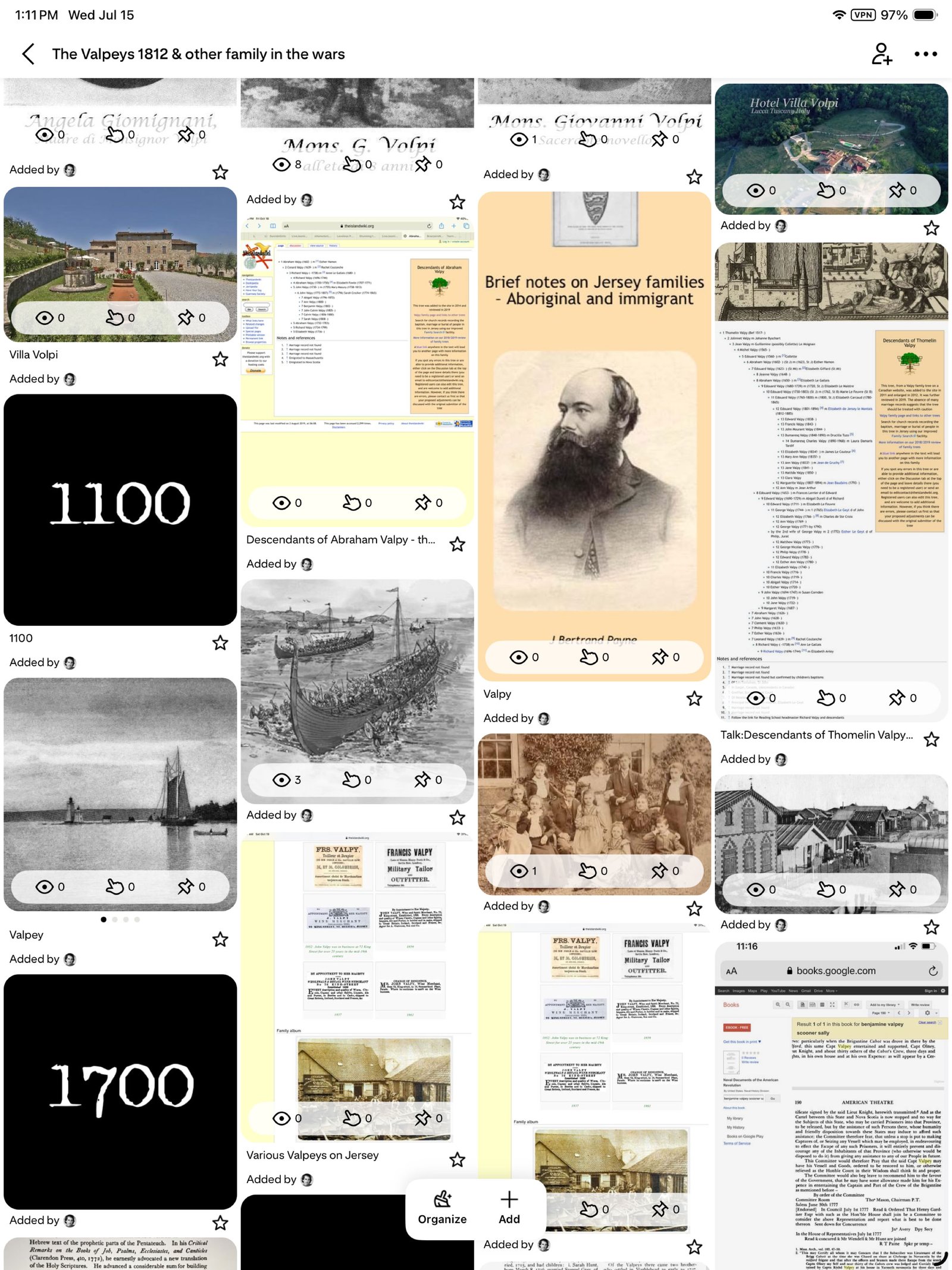
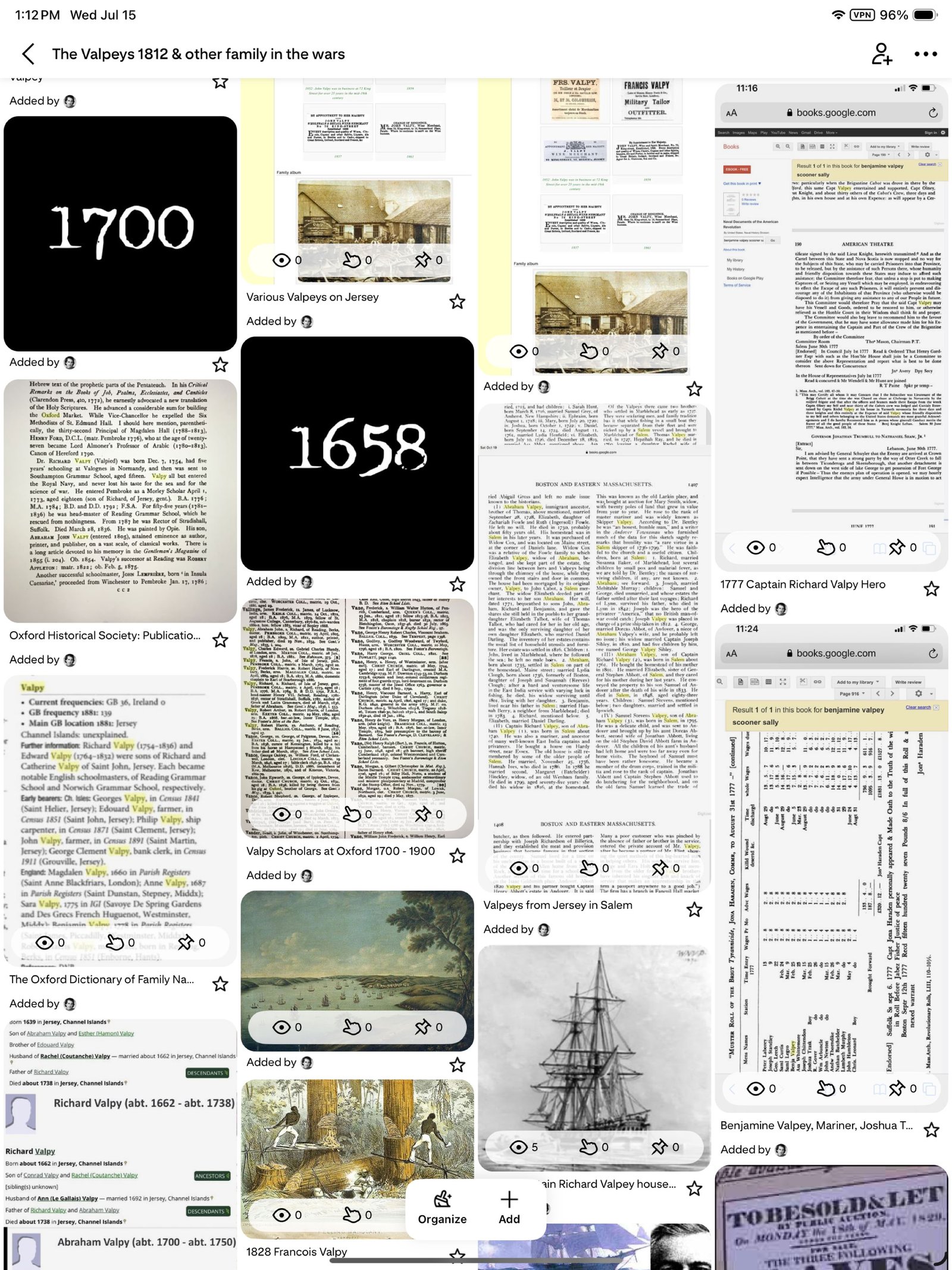
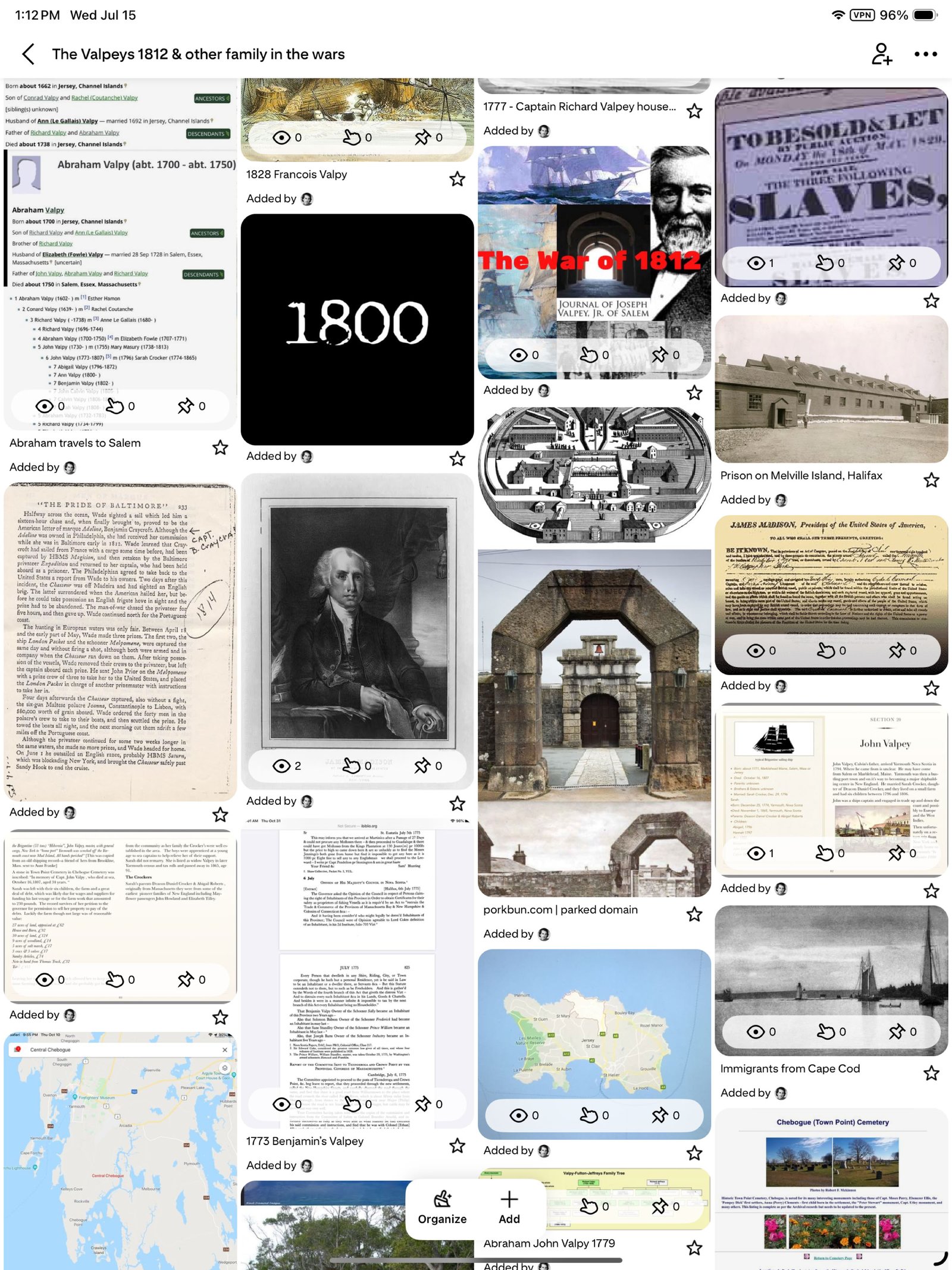
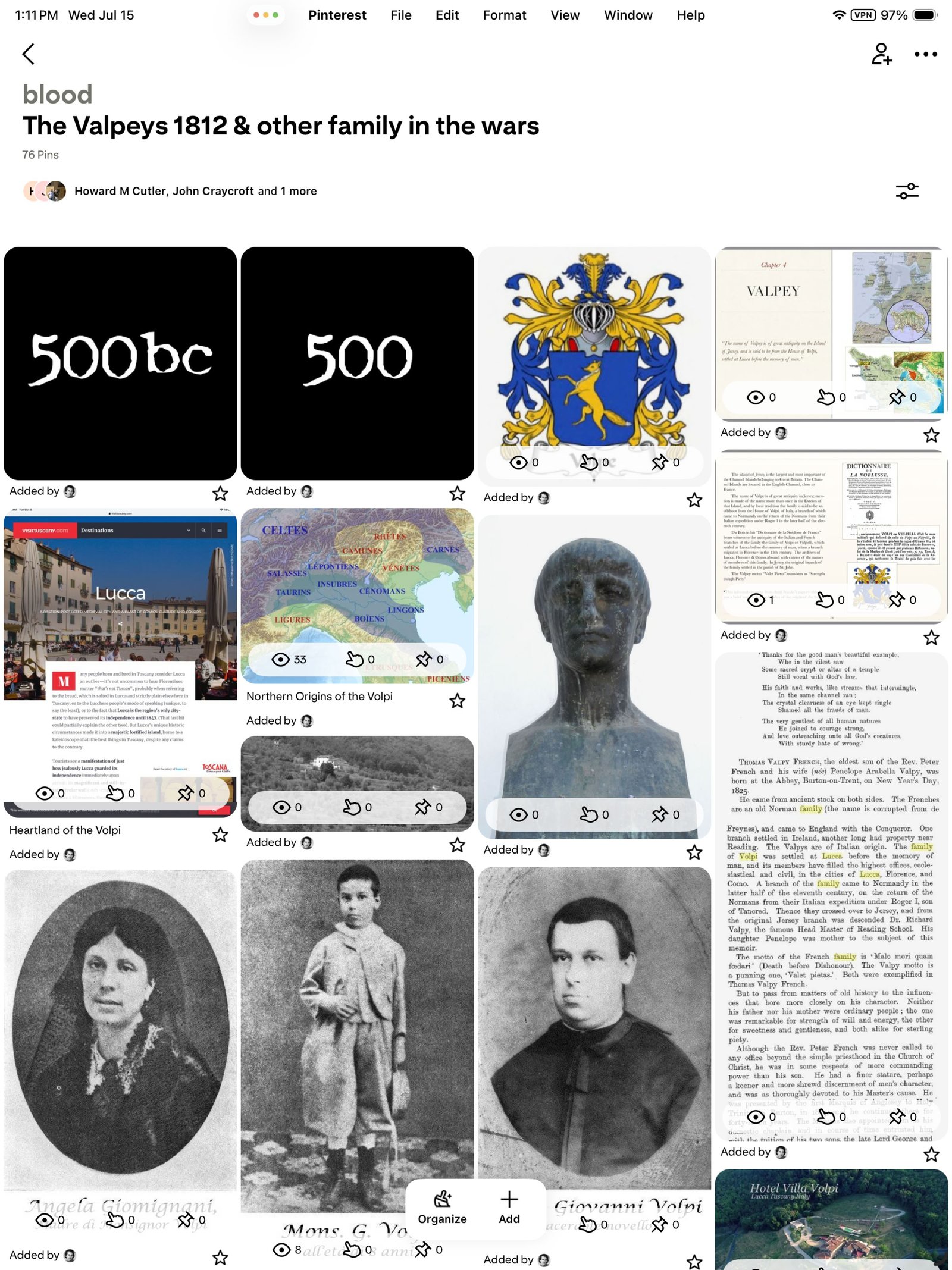
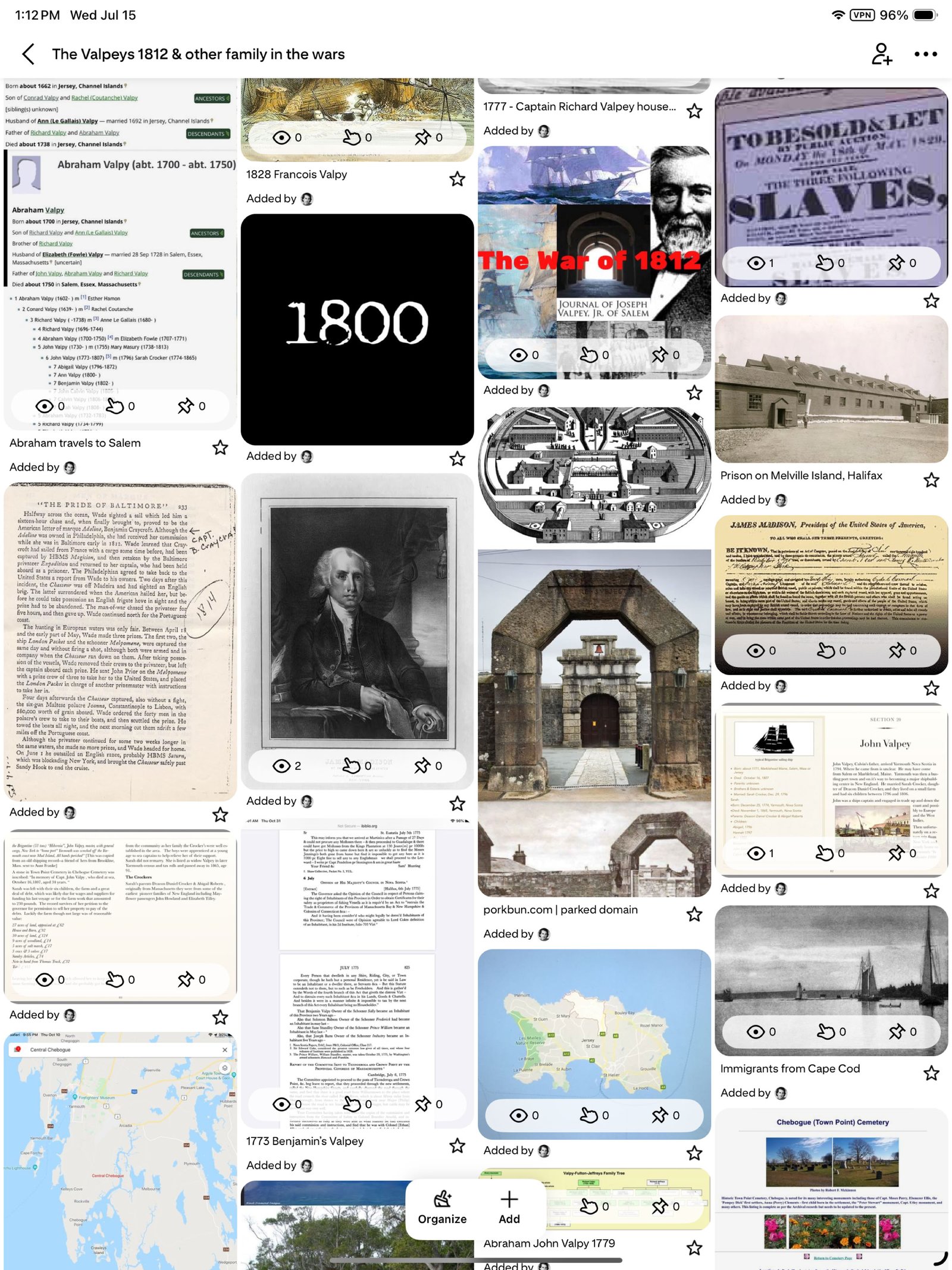
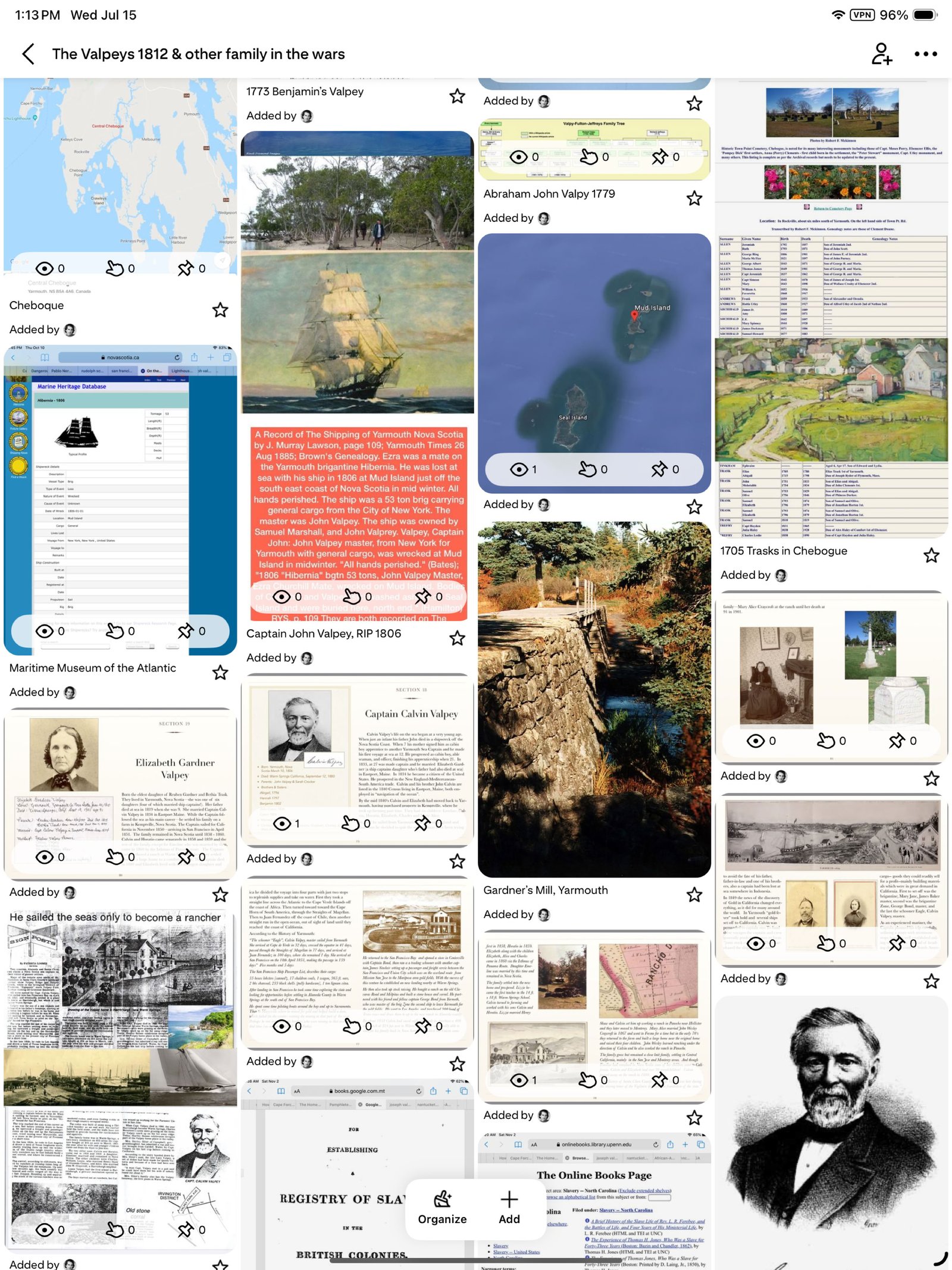
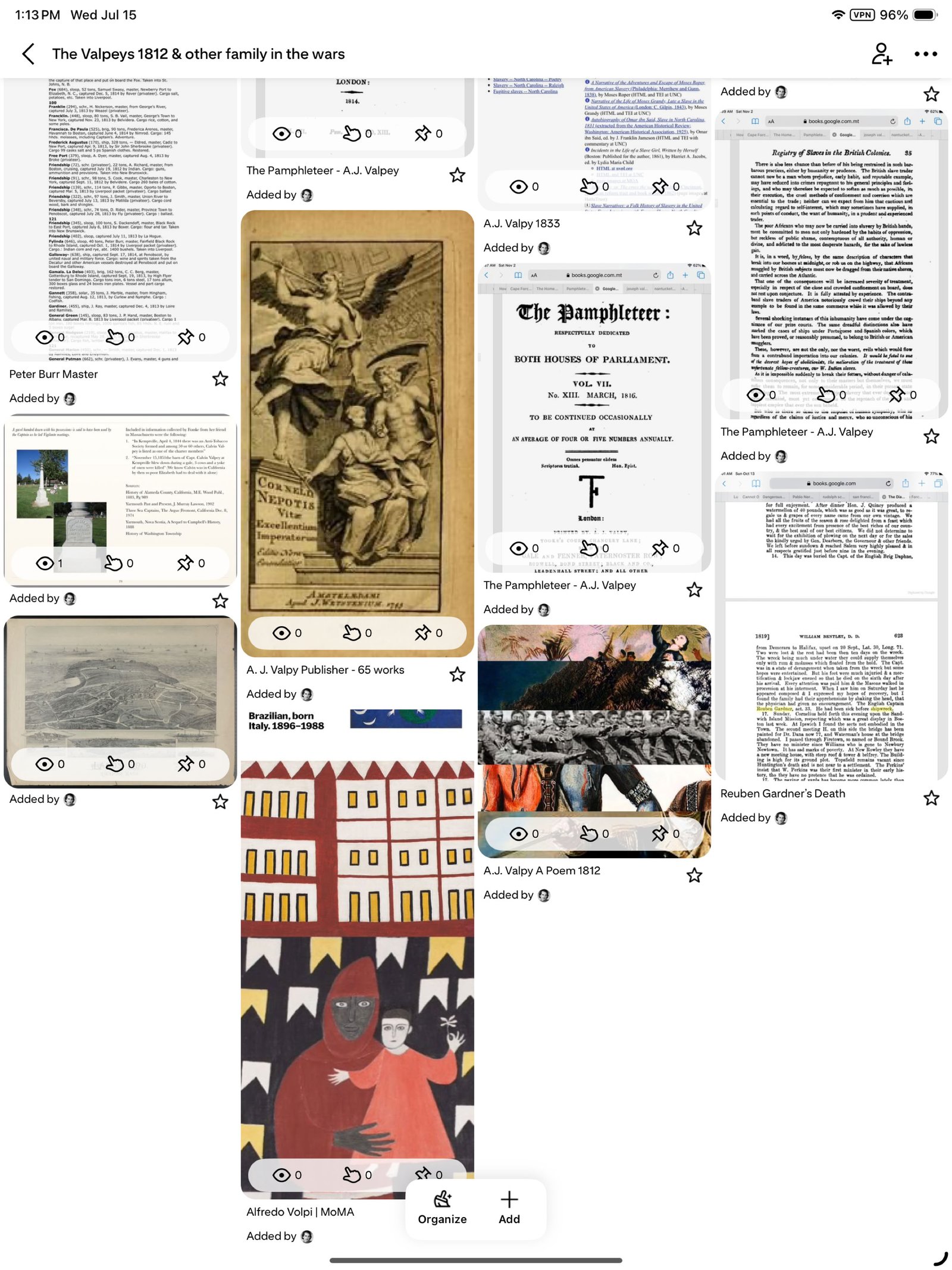
Notes in Pinterest on the Volpi Family

Harry’s Visual Epigrams, Logos and Symbols